
 EN
EN
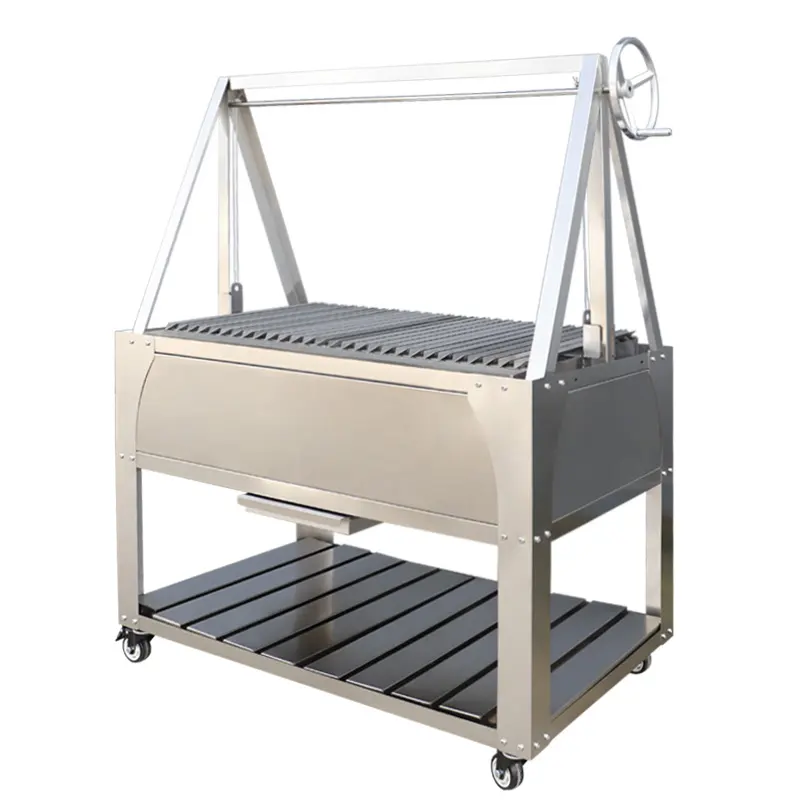
Modulêre grilstelsels: Aanpasbare fondamente vir buite-keuke
Hoekom modulariteit die 2025-grilneigings oorheers
Huisbesitters kies toenemend modulêre braaistelsels omdat dit ongeëwenaarde veelsydigheid bied—dit laat jou toe om met 'n basiese braai-eenheid te begin en dit met tyd uit te brei. Hierdie benadering pas die opstelling aan jou ruimte, kookgewoontes en begroting aan, sonder dat jy 'n volledige buitekombuis hoef te bou. Seisoenale herkonfigurasie is moeitelos: ruil 'n sybranderaar vir 'n braaiplek om buite ontbyt te berei, of voeg 'n rookkas by wanneer jy naweekbyeenkomste bespreek. In teenstelling met vasgevestelde installasies, laat modulêre ontwerpe jou toe om jou stasie te ontwikkel sonder demolasie of mors. Toonaangewende vervaardigers bied nou onderling verruilbare insettinge wat gas-, houtskool- of infrarooikook binne dieselfde onderstel ondersteun—so een raamwerk kan dus aanpas soos jou vaardighede en voorkeure groei. Die resultaat is nie 'n generiese toestel nie, maar 'n doelgerigte kooksisteem wat op praktiesheid en langtermynwaarde gebaseer is.
Verwisselbare kookareas en brandstofaanpassers — verby estetiese oorwegings
Modulêre braaiplekke bied werklike funksionele voordele—nie net visuele aantreklikheid nie—deur werklik uitruilbare kooktuisse. U kan een tuis toewys vir hoë-hitte-brand en 'n ander vir lae-temperatuur-rook, albei binne dieselfde voetskrif. Brandstofaanpassers verleng hierdie veelsydigheid: 'n Enkele gasmodule kan 'n houtskoolblik of pelet-hopperaanhegssel aanvaar, wat smaakgerigte tegnieke moontlik maak sonder om nuwe toerusting te koop. Flip BBQ-braaiplekke is 'n voorbeeld van hierdie denkwyses met hul omkeerbare dubbelkamerontwerp, wat gebruikers in sekondes laat oorskakel van brand na rook. Hierdie komponente is gebou met seevriendelike roestvrystaal, wat korrosie weerstaan en prestasie behou deur jare buite-gebruik. Hierdie aanpasbaarheid transformeer 'n statiese braaiplek in 'n dinamiese buite-keuken—wat bewys dat die 2025-braaiplek nie meer 'n enkele toestel is nie, maar 'n slim, gebruiker-ontwikkelende stelsel.
Slim Braaiplekke met KI en Werklike Tyd-konnektiwiteit
Die 2025-brandseisoen word gedefinieer deur verbindingsvermoë. Moderne slim braaiplekke kombineer tradisionele buitekook met werklike tyddata en intelligente outomatisering—wat raaispel verminder en gebruikers van voortdurende monitering bevry.
Wi-Fi-geaktiveerde termometers en KI-kookassistentes vir presisiebeheer
Wi-Fi-geaktiveerde termometers laat gebruikers toe om die interne vleistemperatuur op afstand via 'n slimfoon te monitor, met onmiddellike waarskuwings wanneer doeltemperatuure bereik word. Kunsintelligensie-kookassistentes gaan verder: hulle analiseer hittepatrone, pas die vlamuitset in werklike tyd aan en stel resepveranderinge voor gebaseer op foto's van bestanddele. Sommige modelle gebruik selfs generatiewe KI om take outomatisch te doen, soos temperatuurverhoging tydens 'n folie-omhulsel of die aanpassing van oond-gebaseerde resepte vir optimale grillresultate. Flip-BBQ-grills integreer nou ook hierdie vermoëns—met slim sonde en app-gebaseerde beheer wat presiese oorgange tussen sear- en rookmodusse moontlik maak. Marknavorsing voorspel dat die slim-grillsegment teen 'n saamgestelde jaarlikse groeikoers van meer as 5% sal groei tot 2031, aangedryf deur die vraag na konsekwentheid, gerief en vertroue. Hierdie gereedskap vervang nie vaardigheid nie—dit verhoog dit, en verander agtertuin-koks in betroubare pitmeesters.
Hibriede Brandstofgrills: Balans tussen krag, smaak en veelsydigheid
Pellet- en houtskoolkonfigurasies sowel as gas- en houtkonfigurasies: prestasie-data en gebruikersaanvaardingstendense
Hibriede brandstofbraaiplekke kombineer verskeie energiebronne om veelzijdigheid te lewer wat eenbrandstofeenhede nie kan ewenaar nie. Pellet- en houtskoolstelsels bied vinnige opverhittingstye vanaf die pellete. en diep, outentieke rooksmaak van houtskool. Gas- en houtkonfigurasies verskaf onmiddellike ontsteking vir weeknagete sowel as aromatiese hardehoutrook vir naweekbriskette. Nywerheidsdata toon dat die aanvaarding van hibriede braaiplekke met 30% per jaar in 2025 toegeneem het—’n skerp styging wat deur koks aangewakker is wat nie bereid is om spoed te kompromitteer nie of smak. Onafhanklike prestasietoetse bevestig dat gekombineerde-brandstofopstellings hitte meer gelykmatig versprei as enkel-bron alternatiewe, wat warmteplekke en skielike vuurvlamme tot 'n minimum beperk. Gebruikers bereik gereeld 700°F-skarre op gas terwyl hulle na stabiele 225°F-rookareas daal deur middel van houtstukkies—albei op dieselfde toestel. Dit elimineer die behoefte aan verskeie toestelle en bewaar waardevolle patio-ruimte. Soos veelkamerontwerpe volwasse word, dui verbruikeropvragte aan dat 68% van nuwe braaierkopers nou hibriedvermoë as 'n noodsaaklike eienskap beskou.
Klap-BBQ-braaiers heruitgevind: Dubbelkamer omkeerbare ontwerpe vir skarre/rook-dualiteit
Die nuutste klap-BBQ-grills bied 'n tweekamer omkeerbare ontwerp wat kookvryheid op 'n nuwe manier definieer. Een kamer het hoë-intensiteit infrarooi branders vir vinnige verskroeing; die teenoorgestelde kamer bevat 'n toegewyde rookkas vir lae-en-langsame rooking. 'n Eenvoudige scharnierklap van die rooster verander onmiddellik die kookomgewing—van 'n 1000°F-verskroeingsone na 'n 225°F-rookkamer—sonder dat die kos beweeg word. Dit elimineer die tradisionele kompromis tussen kransontwikkeling en sagte, gerookte tekstuur. Byvoorbeeld: verskroeí 'n ribeye vir twee minute aan die infrarooikant, dan klapper jy dit oor en rook dit vir 20 minute met meskiet. Die ontwerp ondersteun ook gelyktydige kook: verskroeí borger aan die een kant terwyl jy kipboudjies aan die ander kant rook. Vroeë aanvaarders beklemtoon sy ruimte-effektiwiteit en konsekwente, restaurang-kwaliteit resultate. Terwyl multifunksionele buite-keuke nou meer gewild raak, word tweekamer klap-BBQ-grills 'n topkeuse vir kokke wat beide spoed en diepte van smaak vereis.
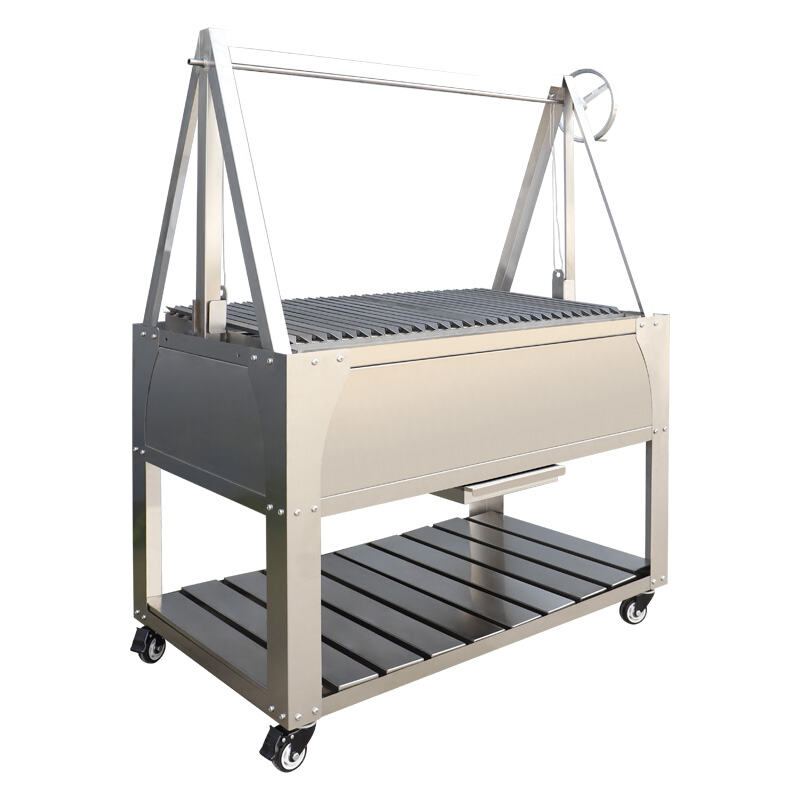
Premier Volhoubare Boue: Volharding wat Ontmoet met Ekologies-bewuste Ontwerp
Marientjie-aluminium, herwinde roestvrystaal en gecertifiseerde ekologies-vriendelike materiale in hoogwaardige braaiplekke
Die vandag se hoogwaardige braaiplekke—insluitend gevorderde omkeer-BBQ-modelle—plaas die klem op volhoubaarheid sonder om prestasie te kompromitteer. Vervaardigers spesifiseer toenemend marinegraad-aluminiumlegerings en herwinde roestvrystaal vir branders, roosters en behuisinge. Hierdie materiale lewer uitstekende weerstand teen korrosie—wat noodsaaklik is vir toestelle wat aan reën, vogtigheid, soutlug en temperatuurswings blootgestel word. Marinegraad-aluminium behou strukturele integriteit waar standaardlegerings afbreek; herwinde roestvrystaal verminder die omgewingsimpak deur post-industriële skroot te hergebruik. Hoë-end-ontwerpe sluit ook geseëndeeko-materiale in: volhoubaar geoogte harthout vir handvatsels en FSC-gesertifiseerde bamboo vir sykassies. Hierdie verbintenis verleng produklevensduur aansienlik—wat vervangingsiklusse verminder—en verlaag langtermynbesitkoste. Belangriker nog, dit verseker dat u braaiplek beide estetiese aantreklikheid en funksionele betroubaarheid seisoen na seisoen behou.