
 EN
EN
The Intermediary Margin Stack: Where Retail Margins Disappear
How Wholesalers, Distributors, and Retailers Each Take 15–30% Off Gross Margin
A conventional supply chain layers multiple intermediaries—each taking a meaningful cut from the final retail price. A manufacturer sells to a wholesaler, who adds 15–25% to cover warehousing and logistics. The distributor then applies another 10–20% for regional handling and sales support. Finally, the retailer marks up the product by 40–60% to absorb store overhead, staffing, and marketing costs. Collectively, these layers erode 70–80% of the original factory cost before the product reaches the consumer.
For example, a grill made for $100 may be sold to a wholesaler for $150 (50% markup), then to a distributor for $180 (20%), and finally to a retailer for $240 (33%). Its shelf price lands at $420—a 320% increase over factory cost. Every intermediary’s margin reduces the manufacturer’s pricing control and profit capture. Direct-from-factory models eliminate these layers entirely, allowing brands to reclaim lost margin and compete on both price and value.
Case Study: Stainless Steel BBQ Grill Supply Chain — $420 MSRP vs. $198 Factory Cost
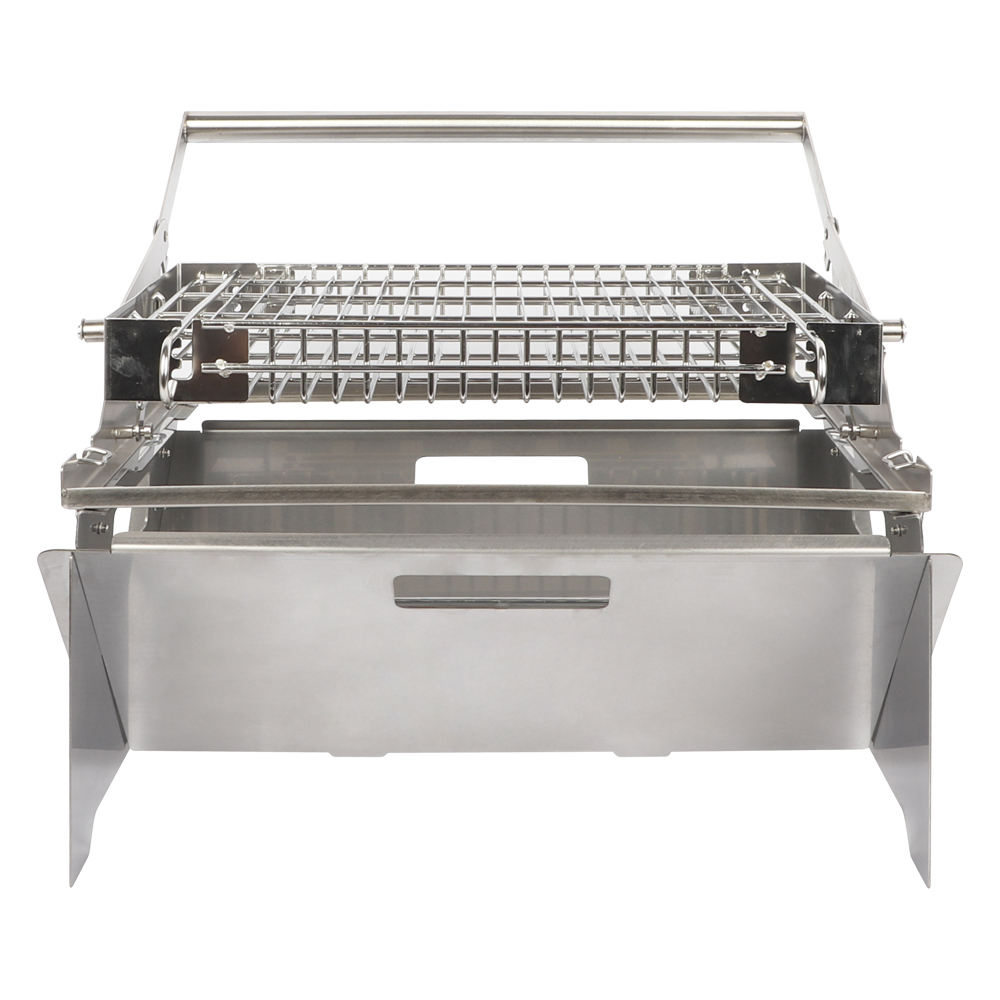
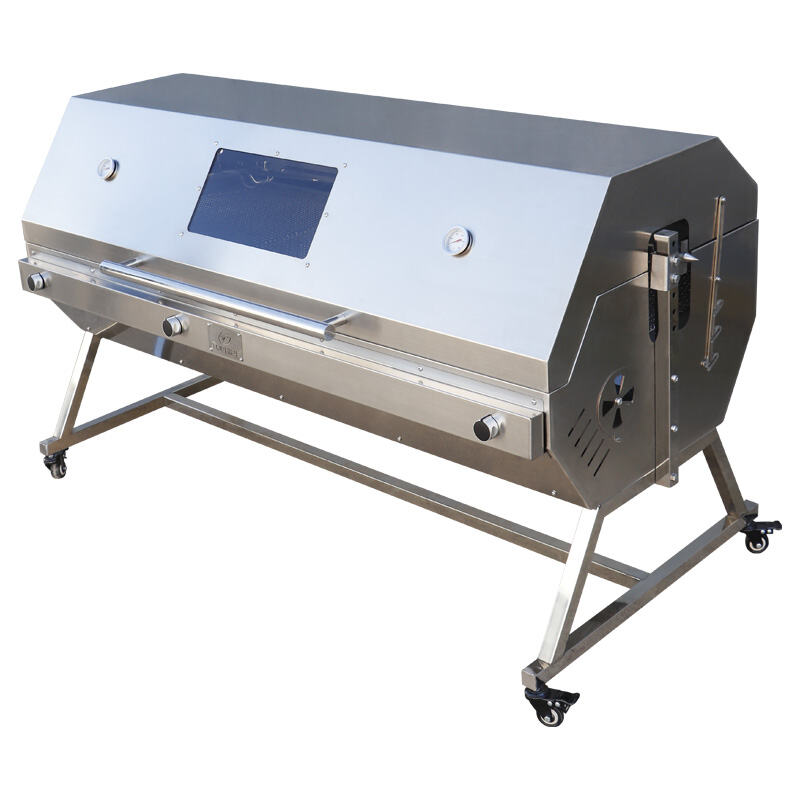
Consider a typical stainless steel BBQ grill, produced at a factory cost of $198—including materials, labor, and quality assurance. Under traditional distribution:
- Manufacturer sells to wholesaler at $260 (31% markup)
- Wholesaler sells to retailer at $320 (23% markup)
- Retailer sets MSRP at $420 (31% gross margin)
Of that $420, only $198 returns to the manufacturer—just 47% of the final price. Intermediaries collectively retain $222, or over half the consumer payment. By selling direct, the brand can price the same grill at $320—offering customers a 24% discount versus retail—while lifting its gross margin from 22% to 38%. This shift isn’t theoretical: it reflects real margin recovery through structural simplification.
Direct-from-Factory Economics: Margin Lift and Pricing Control for Stainless Steel BBQ Grill Brands
Unit Economics Shift: From 22% to 58% Gross Margin with Factory-to-Retail Fulfillment
Direct fulfillment transforms unit economics. With a $198 factory cost and $420 traditional MSRP, the manufacturer’s gross margin is just 22% after paying wholesale and distribution markups. In contrast, a direct model allows the brand to set a competitive $398 retail price—still 5% below the traditional channel—while achieving a 58% gross margin ($230 per unit). That $138-per-unit gain comes from removing two layers of margin and consolidating logistics into one fulfillment step.
For a brand moving 10,000 units annually, this translates to $1.38 million in additional gross profit, with no change to consumer pricing or product quality.
Real-Time Pricing Agility: Adjusting Promotions and MSRP Without Channel Resistance
Factory-direct models grant immediate, unilateral pricing control—unlike traditional channels, where MSRP is often locked in for quarters and mid-season discounts trigger resistance or chargebacks. A direct seller can launch a 15% holiday flash sale on a stainless steel BBQ grill and reverse it 48 hours later—no negotiations, no margin erosion from third-party pushback.
This agility enables rapid demand testing, seasonal optimization, and intelligent inventory clearance—all while sustaining an average 58% gross margin. Competitors bound by multi-tier contracts lack this responsiveness, giving direct brands a durable advantage in both profitability and market adaptability.
Why Stainless Steel BBQ Grills Are Ideal for Direct-from-Factory Scaling
Durability, Low Return Rates, and High Average Order Value Drive Margin Resilience
Stainless steel BBQ grills built from 304-grade steel offer exceptional resistance to rust, scratching, thermal warping, and corrosion. That durability directly lowers warranty claims and return rates—key drivers of margin erosion. Independent durability testing shows stainless steel grills last up to 50% longer than those made from coated carbon steel or aluminized alternatives (Technavio).
Meanwhile, average order value for premium stainless steel grills ranges from $400 to $1,200—providing strong per-unit contribution margins. Combined with low defect rates and high customer satisfaction, this category delivers unusual resilience: margins hold firm even during promotions, supply disruptions, or economic volatility. It’s no coincidence that leading direct-to-consumer grill brands—from Weber’s DTC arm to emerging vertical players—anchor their growth in stainless steel SKUs.
Supply Chain Simplification: Shorter, Smarter, and More Profitable
A streamlined supply chain isn’t just leaner—it’s more profitable. By cutting out wholesalers and distributors and partnering directly with the factory, brands eliminate redundant handling, warehousing, and markup layers. That shorter path reduces freight complexity, cuts lead times by up to 40%, and accelerates restocking of best-selling models.
Fewer touchpoints also mean less risk of damage in transit, lower administrative overhead, and tighter inventory control. The result is a more responsive, capital-efficient operation—where every stainless steel BBQ grill shipped carries less embedded cost and delivers more margin, without compromising build quality or delivery speed.
FAQ Section
What is the intermediary margin stack in supply chains?
It refers to the cumulative markups added by wholesalers, distributors, and retailers in a conventional supply chain, which collectively erode 70–80% of the original factory cost before a product reaches the consumer.
How does direct-from-factory pricing benefit brands?
By eliminating intermediaries, brands can reclaim lost margin, reduce the final retail price, and gain immediate pricing control. For example, a stainless steel BBQ grill’s manufacturer gross margin can jump from 22% to 58%.
Why are stainless steel BBQ grills ideal for direct-to-consumer scaling?
These grills offer high durability, which reduces return rates and warranty claims, while delivering premium average order values and stable margins even during promotions or supply chain disruptions.
Table of Contents
- The Intermediary Margin Stack: Where Retail Margins Disappear
- Direct-from-Factory Economics: Margin Lift and Pricing Control for Stainless Steel BBQ Grill Brands
- Why Stainless Steel BBQ Grills Are Ideal for Direct-from-Factory Scaling
- Supply Chain Simplification: Shorter, Smarter, and More Profitable
- FAQ Section