
 EN
EN
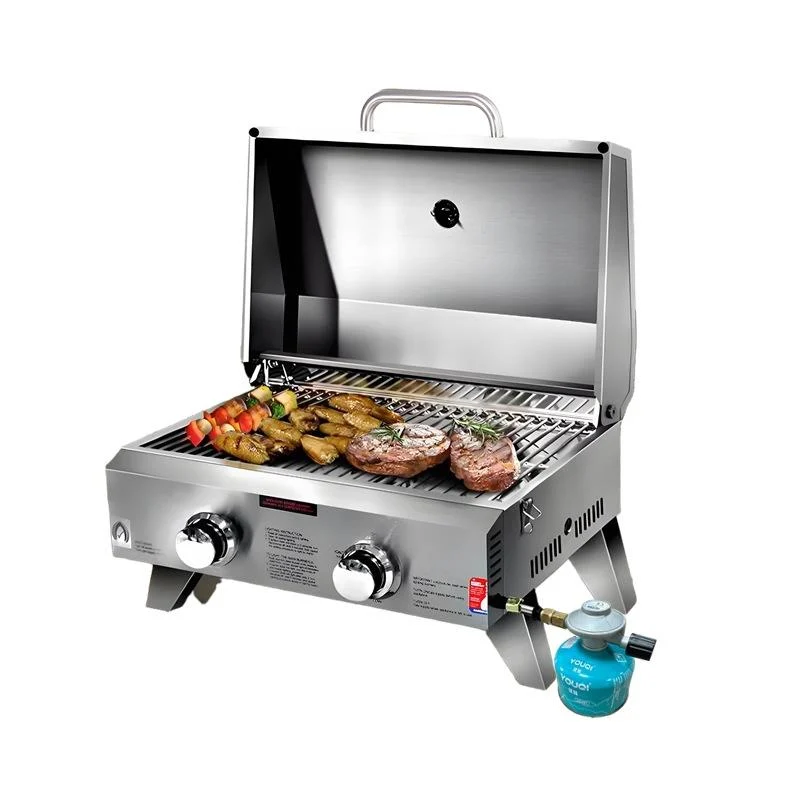
Pre-Season Spatial Assessment and Exterior Preparation
Before firing up an outdoor culinary gathering, performing a comprehensive pre-season inspection of your primary cooking apparatus is essential for a secure grilling experience. Checking a gas grill thoroughly begins with a careful visual assessment of the exterior frame, the control knobs, and the regulator assembly. Field technicians and outdoor cooking safety authorities recommend clearing away any accumulated dust, spider webs, or grease residue that might obstruct airflow around the burner tubes. Drawing from years of field oversight in backyard culinary equipment maintenance, safety experts consistently observe that most minor flare-ups originate from neglected exterior residue rather than mechanical failures. Ensuring that your cooking setup sits on a stable, well-ventilated, non-combustible surface outdoors establishes a solid foundation for hazard-free meal preparation throughout the warm season.
Executing the Bubble Test for Propane Line Validation
Detecting potential fuel leaks before ignition is the single most critical step in safeguarding your family and property from accidental flare-ups. A standard soap-and-water solution serves as a reliable diagnostic tool for any gas grill owner. By mixing equal parts mild dish soap and water, then brushing the mixture generously along the hose, regulator, and tank connection valves, you can easily spot trouble. If expanding bubbles or foam begin to form as pressure is applied from the propane tank, it indicates an active gas escape that requires immediate tightening or component replacement before any cooking commences. Certified gas technicians emphasize that this simple diagnostic routine prevents over ninety percent of preventable fuel-related outdoor accidents.
Inspecting Flexible Hose Integrity and Mitigating Environmental Wear
The flexible rubber or reinforced plastic hose connecting the fuel source to the burner manifold is constantly exposed to changing weather conditions, UV rays, and high temperatures. Over time, these environmental factors can cause microscopic cracks, stiffness, or abrasions along the length of the line. Regularly feeling along the entire gas grill hose for soft spots, kinks, or brittle sections helps catch wear and tear early. In practical repair scenarios, technicians note that hoses older than three seasons should be audited with extreme caution. If any visible damage or suspicious wear appears, replacing the entire hose assembly immediately rather than attempting temporary patches ensures absolute reliability and uninterrupted fuel delivery.
Evaluating Burner Port Cleanliness and Combustion Consistency
Even when connections remain secure, spider webs or insect nests inside the burner tubes can disrupt proper fuel distribution and cause uneven heating or dangerous flashback fires. Detaching the burner guards to examine the individual burner ports on your gas grill allows you to verify that every flame opening is clean and unobstructed. Using a stiff wire brush or a specialized cleaning tool to clear out soot and debris restores optimal gas flow. When the burners are relighted, observing a steady, crisp blue flame rather than a sputtering yellow flame confirms that combustion is occurring safely and efficiently, ensuring optimal heat distribution across your cooking grates.
Managing Propane Tank Storage and Outdoor Ventilation Protocols
Proper handling and storage of propane cylinders play a massive role in maintaining an accident-free outdoor cooking environment. When storing a gas grill, especially during off-seasons or when kept on a covered patio, the propane tank should always remain outdoors in an upright, well-ventilated area away from direct sunlight and indoor living spaces. Never store spare cylinders underneath the cooking unit or inside an enclosed garage. Fire safety councils strictly advise against indoor cylinder storage due to potential pressure surges caused by ambient temperature changes. Adhering to these strict placement guidelines prevents dangerous gas accumulation and protects your investment and household from thermal hazards.
Leveraging Industry Expertise and Manufacturing Excellence
Achieving absolute peace of mind during backyard barbecues ultimately depends on the quality and durability of the cooking hardware you choose to operate. Partnering with experienced production specialists ensures that every component of your gas grill meets international safety certifications and rigorous structural standards. By relying on the advanced engineering capabilities, strict quality control protocols, and dedicated supply chain craftsmanship of industry leaders like BBQGRILLWORLD, outdoor cooking enthusiasts can enjoy robust, reliable performance, secure meal preparation, and lasting satisfaction season after season.
Table of Contents
- Pre-Season Spatial Assessment and Exterior Preparation
- Executing the Bubble Test for Propane Line Validation
- Inspecting Flexible Hose Integrity and Mitigating Environmental Wear
- Evaluating Burner Port Cleanliness and Combustion Consistency
- Managing Propane Tank Storage and Outdoor Ventilation Protocols
- Leveraging Industry Expertise and Manufacturing Excellence