
 EN
EN
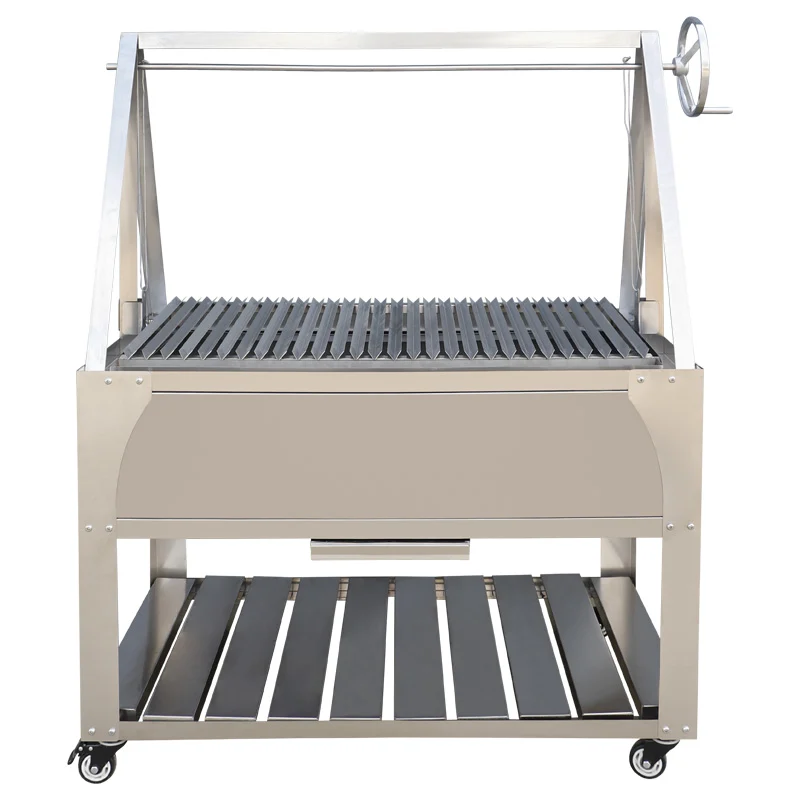
The Strategic Value of Asset Management
In the high-pressure environment of professional culinary services, a stainless steel BBQ grill acts as a critical asset for any facility. Many operators fall into the trap of viewing these grills as simple tools that can be replaced every few seasons, but this is a fundamentally flawed approach that impacts financial health. Viewing high-end equipment as a long-term asset—rather than a consumable—is the hallmark of a resilient business. By shifting the focus toward a preventative upkeep cycle, managers can stabilize their overhead costs and ensure that the equipment maintains its structural integrity without the threat of sudden, catastrophic failure. Treating maintenance as a strategic management task ensures the equipment remains a foundational component of the workspace for as long as possible.
Engineering Integrity of Stainless Steel Surfaces
The durability of high-grade stainless steel is not magic; it is chemistry. The metal relies on a microscopic, invisible layer known as the chromium oxide film to prevent oxidation. In the harsh conditions of a commercial environment, this layer is constantly challenged by chloride residues, acidic food juices, and aggressive chemical cleaners. True maintenance begins with respecting this chemical reality. Scrubbing against the grain with abrasive pads essentially strips away this protective barrier, leaving the raw metal vulnerable to microscopic pitting and eventual rust. Expert maintenance protocols dictate the use of fiber-based cleaning tools that move strictly in the direction of the surface finish. By replenishing this protective barrier with food-safe stainless steel treatments, the metal remains in its intended passive state. Understanding that surface care is actually an engineering maintenance task—and not just a cleaning chore—is the first step toward preventing the early onset of structural decay.
Structural Resilience and Internal Components
If the outer chassis represents the face of the equipment, the internal firebox is its heart. The longevity of the entire unit is often decided by how well the interior is managed against the relentless cycle of extreme thermal expansion and contraction. Grease and food carbon, when left to accumulate in the burner box, do more than just attract unwanted attention; they act as a chemical catalyst that eats into stainless steel components at high temperatures. Furthermore, uneven accumulation creates "hot spots" that cause localized warping of heat tents and burner mounts. A robust preventative maintenance schedule must prioritize the periodic, deep degreasing of all internal hardware. By removing carbon buildup, the heat distribution remains uniform, which prevents the metal from suffering the localized, irregular stress that eventually leads to fractures or burner failure. This level of technical oversight is what keeps a grill functioning like new long after the initial installation.
Risk Mitigation and Operational Reliability
Reliability in a professional environment is built upon the predictability of equipment. When grills fail unexpectedly, the disruption to the service cycle is immense. Mitigating these risks requires more than just reactive cleaning; it requires a documented approach to hardware inspection. Regularly checking valves, gas pressure regulators, and igniter contacts for signs of heat-induced degradation is essential. The choice of replacement parts also plays a role in long-term reliability. Opting for components that match or exceed the original engineering specifications—rather than inexpensive, generic alternatives—ensures that the system maintains its intended thermal design. When maintenance is treated as a form of risk management, the equipment becomes a stable anchor for the business, rather than a volatile source of operational anxiety.
Building Operational Continuity through Manufacturing Partnerships
Maximizing the operational lifespan of a commercial unit requires a collaborative approach between the operator and the original manufacturer. Reliable, sustainable equipment is engineered with modularity in mind, allowing for component-level updates rather than requiring total system replacement. BBQGRILLWORLD exemplifies this philosophy by providing access to the necessary technical documentation and high-quality, authentic components that are essential for keeping large-scale systems compliant and efficient. By engaging with manufacturing partners that emphasize engineering resilience and material science, operators can transform maintenance from a reactive, emergency-based chore into a streamlined, scheduled component of daily management. Choosing to prioritize technical support and original manufacturing solutions not only secures the physical longevity of the stainless steel BBQ grill but also reinforces the overall operational stability. This commitment to quality at the manufacturing level provides the foundation upon which managers can build consistent, high-performance cycles, ensuring the workspace remains a place of reliability and excellence for years to come.