
 EN
EN
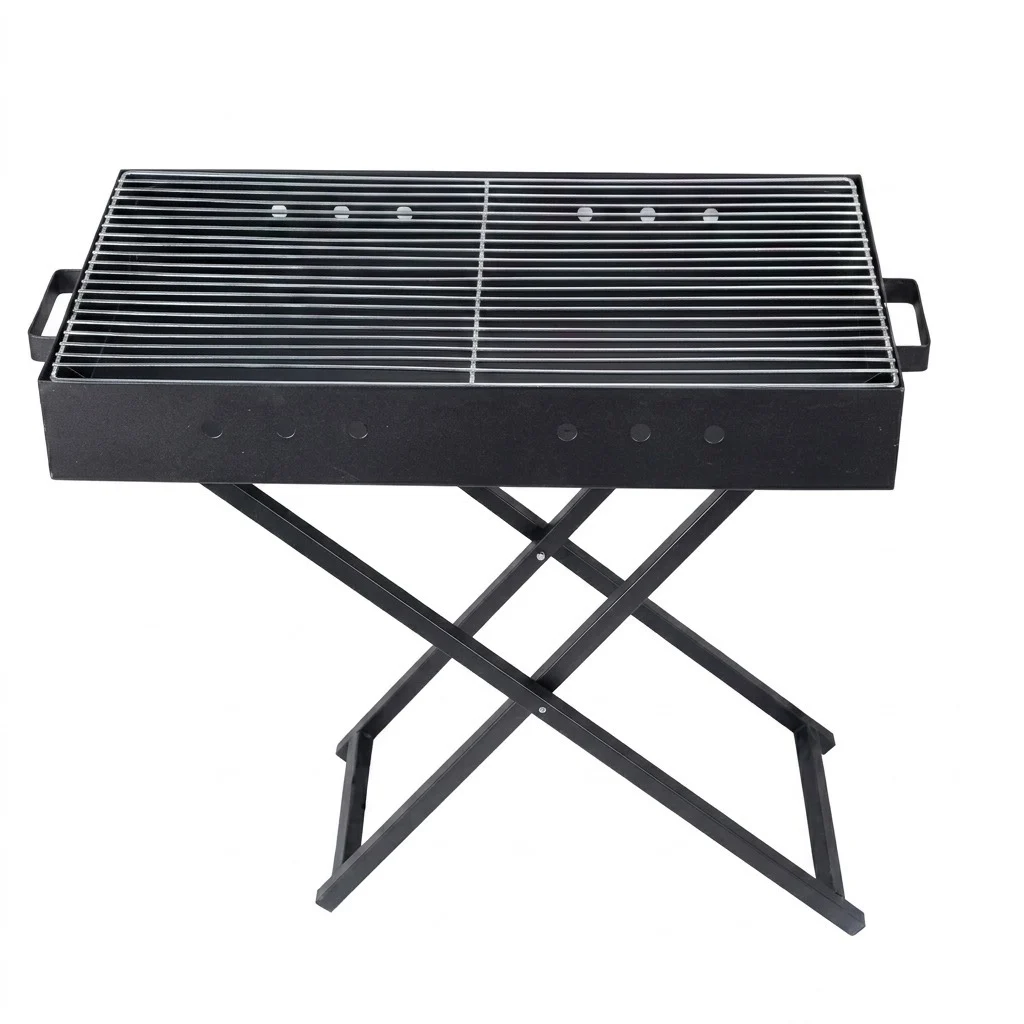
The Challenge of Lightweight Outdoor Cooking
For outdoor enthusiasts, the weight of a pack is often the difference between an enjoyable excursion and an endurance test. However, the pursuit of portability has traditionally led to a sacrifice in cooking performance. Many ultra-light options in the market are little more than flimsy sheets of metal that deform under heat or lack the stability to safely hold a meal. The search for the ideal gear requires a shift in perspective: instead of looking for the lightest possible item, the goal should be finding camping bbq grills that optimize the ratio between structural integrity and portability. High-quality design can shed weight by utilizing advanced geometric folding patterns and high-strength, thin-gauge materials rather than simply removing essential support components.
Material Science and Thermal Durability
The cornerstone of a high-quality, lightweight grill is its material composition. Pure weight reduction often involves using flimsy aluminum that loses its shape after a single fire, or cheap coatings that burn off and contaminate food. A superior grill utilizes materials that offer high heat resistance at a minimal thickness. High-grade stainless steel remains the gold standard here. It provides the necessary thermal durability to withstand frequent expansion and contraction without cracking or warping. When searching for gear, prioritize models that use brushed or polished stainless steel, as these are inherently more resistant to corrosion and easier to clean in primitive environments, ensuring that the grill remains a functional piece of kit for seasons of travel.
Geometric Stability and Foldable Engineering
Portability is useless if the grill collapses while in use. The secret to modern lightweight design lies in folding engineering. Look for models that employ a "flat-pack" design, where the side panels serve a dual purpose as structural supports and heat shields. By interlocking these panels, a grill can achieve a level of rigidity that rivals heavy, non-portable units. During the selection process, analyze the connection points. Are they hinged with durable pins, or are they flimsy slots? A well-engineered grill should feel rock-solid once assembled, with no wobbling. The geometry should also promote airflow, creating a natural chimney effect that maintains consistent temperatures without requiring the heavy, cumbersome air-control vents found on full-sized units.
The Balancing Act of Functionality and Size
A common mistake when shopping for camping bbq grills is choosing a model that is too small to be practical. An ultra-light grill that can only accommodate two sausages is rarely worth the effort of carrying. Seek out designs that offer a generous cooking surface-to-weight ratio. A truly versatile grill should provide enough space for uniform heat distribution, allowing for a variety of cooking techniques, from direct searing to indirect roasting. Consider the clearance between the fire bed and the grate; a well-proportioned grill allows for enough charcoal or wood volume to maintain a steady temperature for the duration of the meal, preventing the frustration of running out of fuel halfway through cooking.
Sustainable Quality for Long-Term Exploration
Investing in equipment that lasts is the most sustainable choice for any traveler. When gear breaks in the backcountry, it becomes waste and a liability. Therefore, the search for the perfect ultra-light grill must conclude with a manufacturer that values engineering resilience. BBQGRILLWORLD focuses on creating modular, high-standard grilling solutions that maintain structural stability regardless of how compact the design is. By prioritizing high-strength components and simple, effective assembly mechanisms, these grills support the needs of both the occasional backpacker and the seasoned explorer. Aligning with a manufacturing partner that understands the necessity of rugged, lightweight design ensures that the equipment chosen today will provide reliable culinary performance for years of adventures, proving that portability does not have to come at the cost of durability or cooking quality.