
 EN
EN
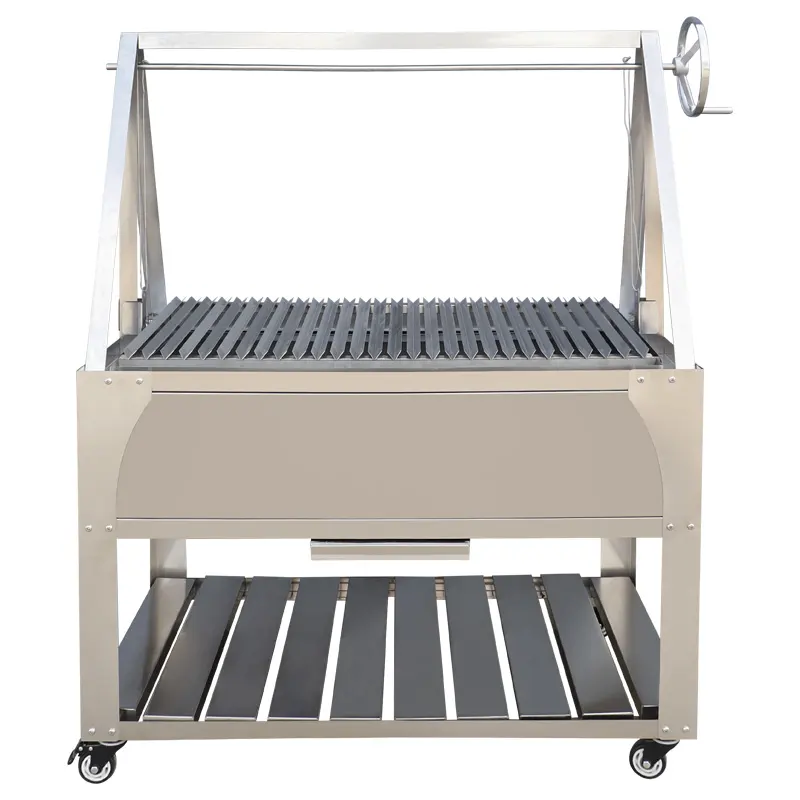
Rising Demand for Portable BBQ Grills Driven by Experience-Focused Camping
Camping has evolved beyond makeshift meals, with modern adventurers prioritizing gourmet outdoor experiences. This cultural shift—especially among younger generations—fuels unprecedented demand for portable BBQ grills. Campers now view grilling as an integral part of the experience rather than mere sustenance, seeking culinary adventures that rival home kitchens. A 30% surge in portable grill sales over recent years directly correlates with the growth of experience-driven outdoor recreation. The trend emphasizes social connection and memorable dining under the stars—not just convenience or calories. Grills capable of delivering restaurant-quality results in remote locations have become defining features of successful trips, transforming portable grills from optional gear into essential experience centerpieces.
Portability Redefined: Weight, Foldability, and Carry Design as Key Purchase Drivers
Electing to own a lightweight BBQ grill fundamentally changes how campers approach meal prep at undeveloped sites. Manufacturers prioritizing reduced weight and intelligent foldability consistently lead sales charts—while ignoring these factors risks leaving a product untouched in storage.
Sub-12-lb Grills Dominate First-Time Buyer Adoption
A decisive 73% of first-time buyers choose models weighing 12 lb or less. This threshold reflects demographic shifts: campers aged 50+ cite low weight as their top selection criterion. But lightness alone doesn’t guarantee seamless transport. Integrated handles with non-slip grip zones prevent accidental drops mid-hike. One frequent oversight is internal component shifting during transit—which increases perceived heaviness and accelerates wear. Unless structurally reinforced, lighter materials risk premature joint failures, especially in colder environments where metal contraction stresses seams.
One-Hand Carry and <3-Second Folding Correlate with Top-Tier User Ratings
Review patterns confirm a direct link: models supporting one-hand transport while folded earn 27% higher average ratings. This capability proves indispensable when crossing uneven terrain while managing tents, packs, or children. Grills achieving full collapse in under three seconds also show markedly higher year-over-year retention. Campers report using their grill twice as often when setup becomes reflexive—particularly during weather shifts or group arrivals. Crucially, mechanism ergonomics must accommodate glove-wearing scenarios common in early-morning or high-altitude settings.
Cooking Performance in Real-World Conditions Separates Premium Portable BBQ Grills
The defining characteristic of premium portable grills lies in how they perform not in a controlled lab, but amid unpredictable outdoor elements like shifting winds and uneven terrain. High BTU ratings grab attention during research—but they’re misleading without context. BTU measures thermal input potential, not usable cooking power. Units touting 50,000+ BTUs may still struggle with rapid heat recovery or consistent surface temperatures if heat management design lags. Research indicates wind resistance mitigates uneven cooking more significantly than raw BTU output—premium models incorporate reflective baffling, flame tamers, or dense heat-retention bricks to counteract heat losses exceeding 40% during moderate breezes.
BTU Efficiency, Wind Resistance, and Multi-Fuel Flexibility Benchmark Analysis
Superior cooking efficiency manifests through sustained flame integrity despite gusts. Higher-tier portable BBQ grills use sealed valve systems and ported burner covers to maintain stable BTU delivery—preventing flame blowout or dangerous gas buildup. This engineering enables reliable preheating even during unexpected weather changes encountered on the trail. Models supporting multi-fuel options—primarily propane and natural gas adaptability, or optional charcoal trays—offer budget flexibility and backup fuel assurance. According to camping gear surveys, this versatility strongly correlates with higher user satisfaction and long-term ownership rates. Brands excelling across these factors deliver not just technical specs, but dependable performance when it matters most.
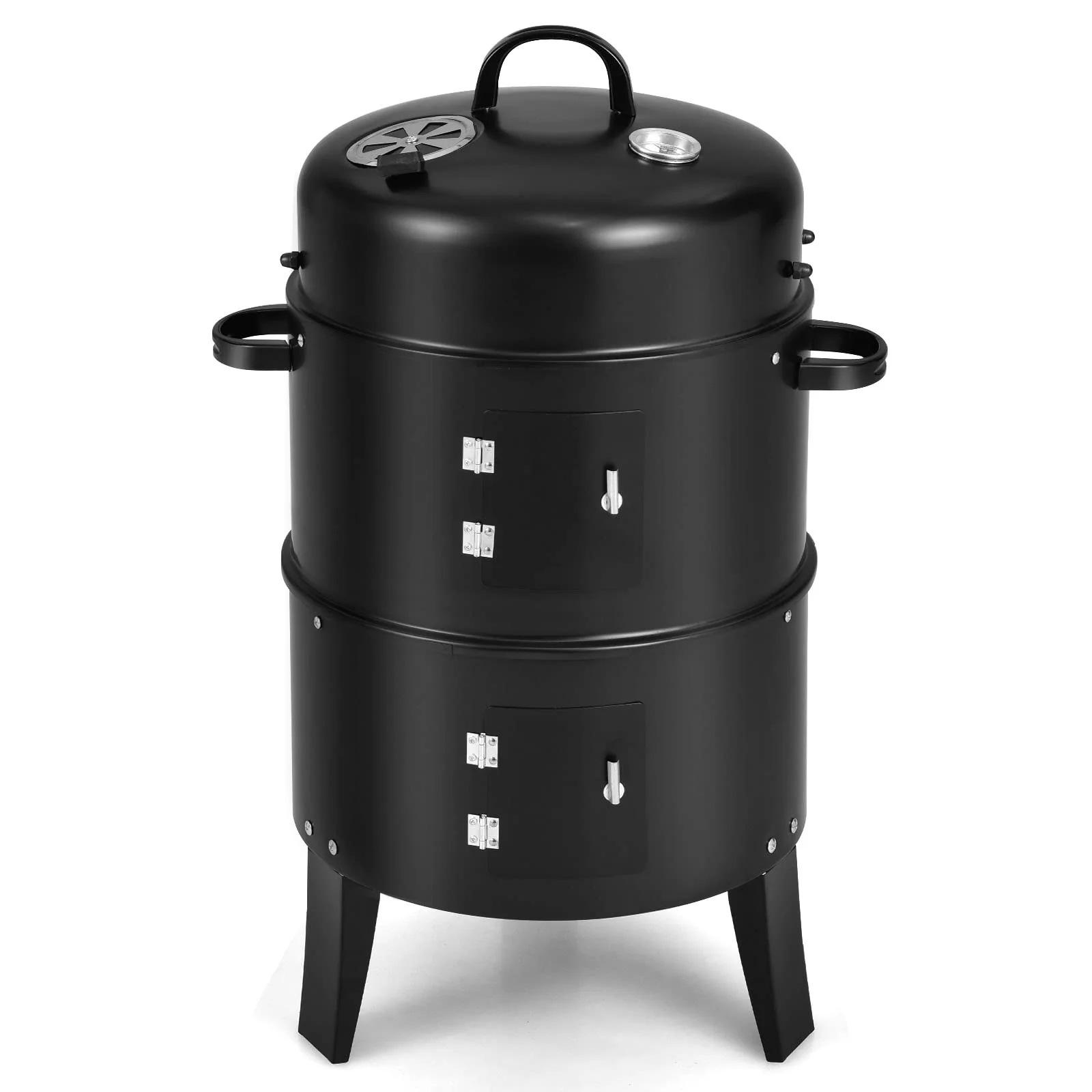
Durability vs. Lightweight Trade-Offs: What Campers Really Prioritize Long-Term
Campers consistently face a pivotal decision: balancing durability against weight. While lightweight portable BBQ grills enhance portability—critical for backpackers and those minimizing pack load—they often rely on thinner materials that compromise resilience against corrosion, impact damage, and wear. Premium grills absorb a marginal weight increase (typically 0.5–1.2 lbs) by switching to corrosion-resistant cast iron grates and stainless-steel burners—extending functional life by 3–5 years versus budget models with painted steel internals. Advanced nano-ceramic coatings on aluminum components further preserve surface integrity without adding meaningful ounces.
Premium Materials Save Weight Without Sacrificing Integrity
Camper Priorities: Where Build Quality Trims the Scale
Surveys reveal 41% of buyers actively avoided models exceeding 12 lbs yet refused to accept flimsy, rust-prone construction (OutdoorGear Labs Survey 2023). This cohort allocated 25% higher median budgets than occasional campers. Durability priorities spike predictably: among campers venturing more than 20 nights per year, 68% ranked firebox integrity as essential—ranking it above grill weight. Their reasoning reflects real-world experience: saving 3 lbs on a grill prone to frame collapse in Year 2 makes little sense when a 0.7-lb increase ensures five years of reliable use. Reinforced joints and thicker-grade stainless steel offer the optimal balance—proving that for durability-focused campers emerging from initial “ultralight” phases, materials protecting function ultimately shave weight versus those threatening it.
FAQ
Why is there a rising demand for portable BBQ grills?
The demand is primarily driven by an increased focus on experience-focused camping, where campers prioritize gourmet outdoor cooking, social connections, and memorable dining experiences over mere sustenance.
What purchase drivers are essential for portable BBQ grills?
Key purchase drivers include lightweight design, foldability, and convenient carry features like integrated handles, which facilitate easier transportation and setup.
How do premium portable BBQ grills perform in real-world conditions?
Premium models provide consistent cooking performance in unpredictable outdoor elements by incorporating design features like sealed valve systems, ported burner covers, and multi-fuel adaptability.
Do campers prefer durability over lightweight grills?
While lightweight grills are preferred for portability, many campers prioritize durability, choosing materials and construction that extend the grill’s lifespan and resist corrosion, impact damage, and wear.
Table of Contents
- Rising Demand for Portable BBQ Grills Driven by Experience-Focused Camping
- Portability Redefined: Weight, Foldability, and Carry Design as Key Purchase Drivers
- Cooking Performance in Real-World Conditions Separates Premium Portable BBQ Grills
- Durability vs. Lightweight Trade-Offs: What Campers Really Prioritize Long-Term
- FAQ