
 EN
EN
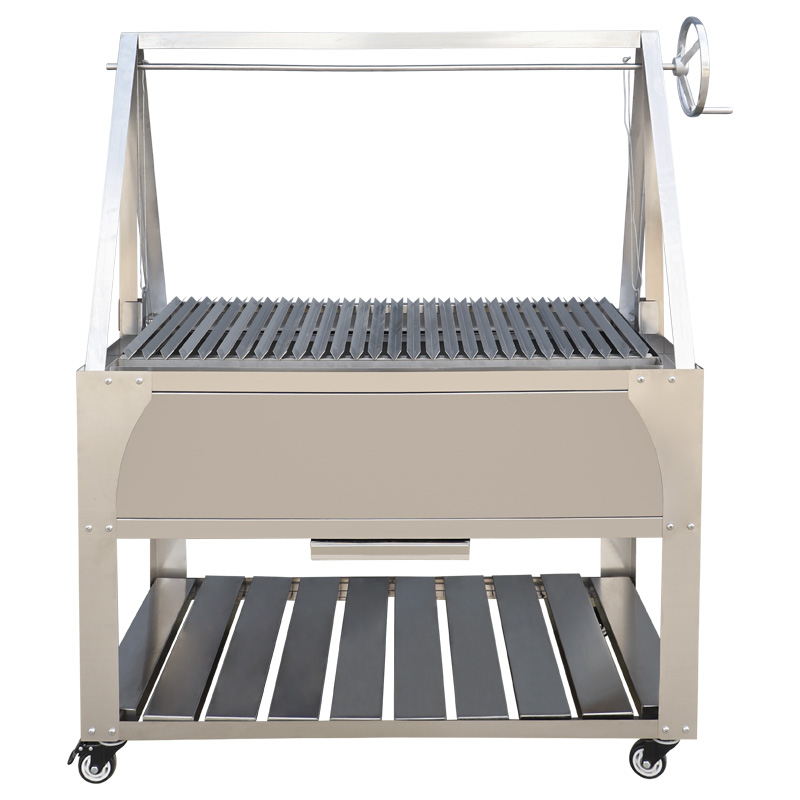
Heavy Duty Charcoal BBQ Grills: Built for Commercial-Grade Durability
12–16-gauge steel, cast aluminum, and ceramic construction withstands daily high-volume use
Heavy-duty charcoal BBQ grills built for commercial use rely on premium materials to survive daily high-volume cooking. Low-gauge steel—typically 12–16 gauge—forms the structural backbone, with thicker metal resisting warping and fatigue over thousands of hours under intense heat. A 2023 Commercial Grill Durability Survey found that 12-gauge steel bodies lasted three times longer than 18-gauge alternatives, withstanding more than 2,000 high-heat cycles. Cast aluminum fireboxes and end caps add corrosion resistance without the weight penalty of solid steel; they dissipate heat evenly and won’t rust, even after years of exposure to salt air or moisture. Ceramic components—common in kamado-style grills—offer exceptional thermal insulation, enabling top-tier models to hold stable temperatures for hours using minimal charcoal. These materials combine to create a heavy duty charcoal BBQ that withstands back-to-back shifts, making it a sound long-term investment for serious grilling operations.
Weather resistance and thermal shock tolerance ensure reliability across seasons and shifts
Weather resistance and thermal shock tolerance are critical for year-round professional use. A heavy-duty charcoal grill must endure rain, snow, and intense sun without degradation. Powder-coated steel exteriors and rust-resistant hardware prevent corrosion, while sealed seams keep moisture out of internal components. Cast aluminum parts resist corrosion naturally, eliminating the need for repainting or frequent seasoning. Ceramic grills excel in thermal shock tolerance—they can handle rapid temperature swings from freezing to 700°F searing heat without cracking. Manufacturer data from 2023 shows top-tier ceramic models survive over 500 thermal cycles with zero structural damage. This resilience means a grill can be fired up immediately after a cold night, without fear of cracks or warping. Even in coastal environments with salt spray, these grills maintain their integrity—reducing downtime and maintenance costs while keeping professional operations running smoothly through every shift and season.
Precision High-Heat Performance Only a Heavy Duty Charcoal BBQ Delivers
Consistent 700°F+ Searing Capability for Restaurant-Grade Maillard Reactions and Crust Development
A heavy duty charcoal BBQ delivers searing temperatures exceeding 700°F—the optimal range for triggering the Maillard reaction, which creates deep, complex flavors and a crackling crust on proteins. Unlike thin-gauge backyard grills that bleed heat, models built with 12-gauge steel or ceramic fireboxes retain extreme thermal mass. This energy saturation lets you lay down steaks, chops, or split chickens without a dramatic temperature drop, ensuring a true restaurant-grade sear every time. The intense, direct radiant heat from lump charcoal ignites within minutes, rapidly browning surfaces while locking in juices. Contrast this with gas or pellet cookers that struggle to sustain such high heat without flare-ups. Professional pitmasters rely on this capability to produce signature grill marks and the rich, umami-packed crust that defines a premium steakhouse experience—turning ordinary cuts into consistent, high-impact dishes during every service.
Multi-Damper Airflow Systems and Calibrated Vents Enable ±15°F Temperature Control
Precision in a live-fire environment comes from airflow management—and heavy duty charcoal BBQs are engineered for exact control. A balanced system of multi-damper intakes and exhaust vents lets you fine-tune oxygen flow to the coal bed with remarkable accuracy. By adjusting dampers in small increments, you can hold target temperatures within ±15°F for hours—a feat normally requiring digital controllers. Intake vents below the fire regulate combustion intensity, while top vents manage convective heat. Some high-end models feature calibrated markings, allowing repeatable settings for low-and-slow smoking or blistering hot sears. This manual precision eliminates guesswork and reduces fuel consumption by burning only the charcoal needed to maintain your setpoint. Whether smoking brisket at 250°F or searing at 700°F, the airflow architecture of a heavy duty charcoal BBQ delivers the steady, responsive heat professional grilling demands.
Versatile Cooking Flexibility: Sear, Smoke, Bake, and Reverse-Flow with One Heavy Duty Charcoal BBQ
Multi-zone grilling and reverse-flow design support simultaneous direct/indirect cooking
Set up a two-zone fire in a heavy duty charcoal BBQ to harness direct radiant heat for searing and an indirect low-and-slow zone for smoking or baking—all on the same cook surface. A reverse-flow design routes smoke and heat under a baffle plate, then back across the food, evening out temperature fluctuations and enveloping meat in consistent smoke. This means you can char a steak at 700°F on one side while a whole chicken roasts gently at 300°F on the other—or bake a pizza stone-crisp over indirect heat without burning. The heavy-gauge steel body retains heat, making transitions between searing and smoking seamless. The reverse-flow baffle also acts as a radiant heat shield, preventing flare-ups when juices drip. This setup enables concurrent searing, smoking, and baking—maximizing output from a single fuel load. Pitmasters leverage this flexibility to cook multiple items simultaneously, avoiding equipment changes and eliminating the need for multiple grills—saving both time and fuel.
Scalable Professional Features That Maximize Output and Efficiency
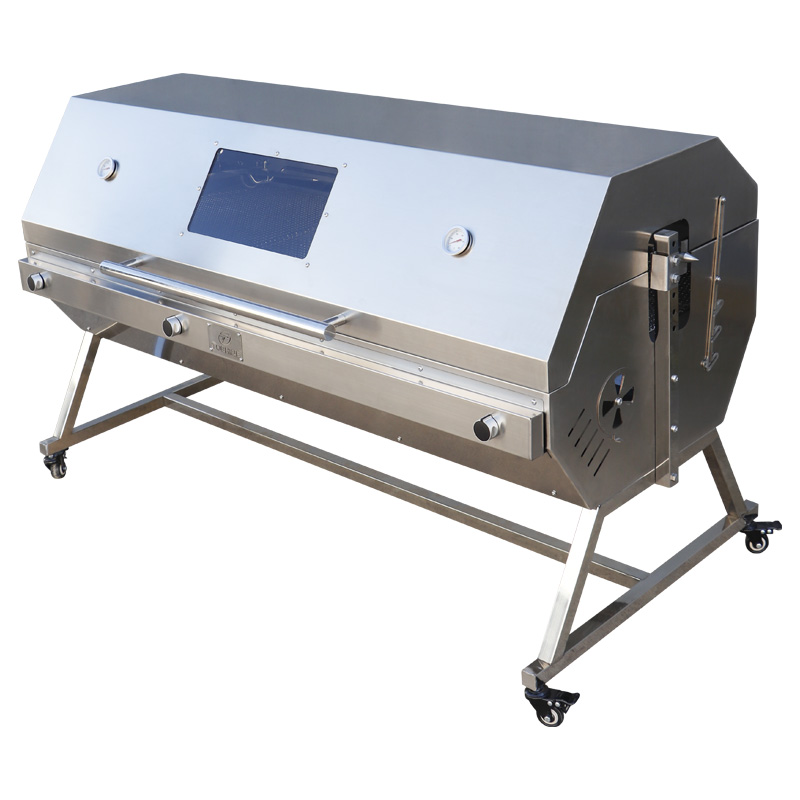
A heavy duty charcoal BBQ is not just a cooking appliance—it’s a long-term production asset. For professional grillers, the ability to scale operations without replacing core equipment is critical to maintaining profitability during peak demand. Leading manufacturers integrate modular designs that allow operators to expand cooking surfaces incrementally—adding grates or secondary chambers as catering volume grows. This prevents bottlenecks from fixed-capacity pits, ensuring a single unit can evolve from handling 50 covers a night to over 200 without requiring a complete equipment overhaul. Stackable accessory systems—such as bolt-on side fireboxes, elevated warming racks, and rotisserie kits—convert a standard pit into a multi-functional station. This add-on capability maximizes output per square foot, a key metric in tight commercial kitchen footprints. Critically, these scalable features are engineered with the same durability as the core pit—ensuring expanded capacity never introduces a weak link into the cooking workflow.
FAQ Section
What are the key materials used in a heavy duty charcoal BBQ grill?
The key materials include 12–16-gauge steel for durability, cast aluminum for corrosion resistance, and ceramic for thermal insulation and shock tolerance.
How does a heavy duty charcoal grill maintain reliability across seasons?
Reliability is ensured through powder-coated steel exteriors, rust-resistant hardware, sealed seams, and corrosion-resistant cast aluminum parts.
What makes heavy duty charcoal BBQs ideal for professional grilling operations?
The high-heat capability for consistent 700°F+ searing, precise temperature control with multi-damper systems, and flexible cooking features like multi-zone grilling and reverse-flow setups make them ideal.
Can heavy duty charcoal BBQs be scaled for larger operations?
Yes, they feature modular designs with options to add grates, chambers, and accessories, allowing them to scale as catering or restaurant volume grows.
Table of Contents
- Heavy Duty Charcoal BBQ Grills: Built for Commercial-Grade Durability
- Precision High-Heat Performance Only a Heavy Duty Charcoal BBQ Delivers
- Versatile Cooking Flexibility: Sear, Smoke, Bake, and Reverse-Flow with One Heavy Duty Charcoal BBQ
- Scalable Professional Features That Maximize Output and Efficiency