
 EN
EN
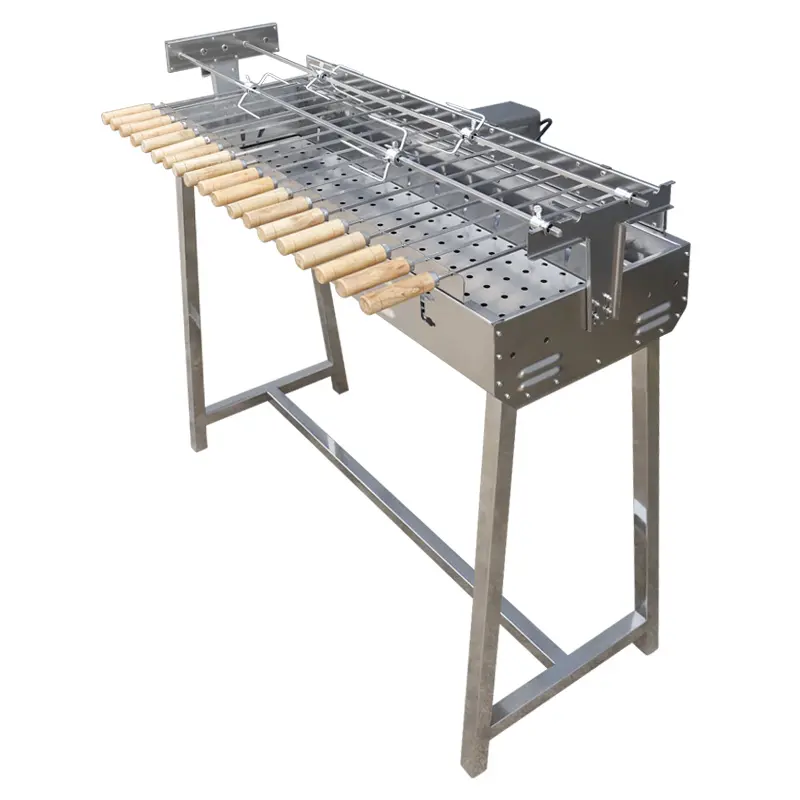
لماذا تُحدث الشوايات الهجينة ثورةً في الطهي الخارجي التجاري
العمق الدخاني يلتقي بدقة الغاز: النكهة والتحكم في منصة واحدة
تتبنى المطابخ التجارية بشكل متزايد شوايات هجينة تجمع بين العمق الغني والدخاني للفحم النباتي والاستجابة الفورية للغاز. فلم يعد الطهاة بحاجةٍ إلى التضحية بالنكهة من أجل السرعة، أو العكس. ويسمح النظام ذو الوقود المزدوج لهم بتحمير steaks فوق مشعلات غازية عالية القدرة الحرارية (BTU) في الوقت الذي يُدخّنون فيه الأضلاع أو الخضروات على حرارة مُحكَمة من الفحم النباتي. وتتميّز أحدث الموديلات بمنظمي درجة حرارة مستقلين لكل منطقة وقود، مما يلغي عدم الاتساق المعتاد في الشوي التقليدي بالفحم النباتي دون أن تفقد هذه الطريقة نكهتها الدخانية المميزة. والنتيجة هي تكرار موثوق لعملية التحمير، وتوزيع متجانس للحرارة، وانتقال سلس بين أساليب الطهي أثناء تقديم الخدمة — ما يعزز الإنتاجية، ويوسع تنوع القوائم الغذائية، ويقلل من المساحة التي تحتلها المعدات في المطابخ الخارجية المزدحمة.
الكفاءة التشغيلية في البيئات ذات الحجم العالي — بما في ذلك أجهزة شوي اللحوم الدوارة (BBQ Spit Roasters)
توفر الشوايات الهجينة كفاءة استثنائية في البيئات ذات الإنتاج العالي، حيث تكون الموثوقية والسرعة أمورًا لا غنى عنها. ويتيح التكامل بين الغاز سريع البدء والحرارة المستمرة من الفحم إعداد دفعات كبيرة دون المساس بالجودة. ويمتد هذا الميزة مباشرةً إلى المكونات المدمجة. أجهزة شواء الدوران (الشوايات الدوارة للشواء) : تسمح وحدات الشواء الدوّار المدمجة بطهي الحيوانات الكاملة أو القطع الكبيرة ببطء فوق الفحم، بينما تقوم حرقات الغاز بضبط درجة الحرارة المحيطة بدقة والحد من اشتعالات اللهب المفاجئة. أما تقسيم الحرارة إلى مناطق—أي فصل مناطق التحمير عالية الحرارة عن مناطق التدخين أو الشوي المنخفضة الحرارة وبطيئة السرعة—فيُمكّن الطاقم من إدارة أنواع متعددة من الطلبات في آنٍ واحد: مثل البروتينات المحمَّرة، والمقبلات المدخنة، ولحوم الشواء الدوّار، وكل ذلك على منصة واحدة. والنتيجة هي تقليل هدر الوقود، وثبات الجودة في الإنتاج، وزيادة كفاءة العمالة خلال فترات الخدمة الممتدة.
هندسة الأداء ثنائي الوقود: تقسيم الحرارة، وإدارة وحدات الحرارة البريطانية (BTU)، وثبات الحرارة
معايرة مستقلة للمناطق: مناطق التحمير بالغاز مقابل مناطق التدخين/الشوي بالفحم
تعتمد الأداء الحقيقي للوقود المزدوج على مناطق معزولة حراريًا—يتم معايرة كل منها وتشغيلها بشكل مستقل. وتوفّر مناطق الغاز الخاصة بالتحمير حرارة مباشرةً شديدة (تصل إلى ٧٠٠ °ف)، وهي مثالية لتكوين قشرة سريعة على steaks وchops. أما مناطق الفحم فتولّد حرارة مشعّة ودخانًا عطريًا عند درجات حرارة منخفضة ومستقرة (عادةً بين ٢٠٠–٣٠٠ °ف)، وهي مثالية للتدخين أو الشوي غير المباشر. وتُحافظ الأنظمة الهجينة المتقدمة بدقة على درجة حرارة تحمير بالغاز تبلغ ٥٠٠ °ف، بينما تبقى أسرّة الفحم ثابتة عند ٢٢٥ °ف—دون حدوث انتقال حراري بين المنطقتين. وفي حالة التكامل مع أجهزة شواء الدوران (الشوايات الدوارة للشواء) يُعد هذا الفصل أمرًا جوهريًّا: فهو يحمي مكونات محرك الدوران (الروتيسيري) من الحرارة المشعّة الزائدة، ويمنع حدوث اللهب المفاجئ الناتج عن سقوط الدهون على النيران المكشوفة. وتضمن دروع الحرارة المخصصة وحواجز توجيه تدفق الهواء الموجودة بين المنطقتين تشغيلًا نظيفًا ومتوقعًا—حتى أثناء التشغيل المتزامن للطهي عند درجات حرارة عالية ومنخفضة.
اختبار استقرار القدرة الحرارية (BTU) في ظروف الاستخدام الفعلي عبر النماذج الهجينة المستخدمة مع أجهزة الشوي الدوارة (BBQ Spit Roasters)
تؤكد الاختبارات الميدانية أن الاتساق الحراري في الشوايات الهجينة—وخاصةً عند دمجها مع أجهزة شواء الدوران (الشوايات الدوارة للشواء) —يعتمد على احتراق متوازن عبر كلا نظامَي الوقود. ويحافظ دائرة الغاز المصممة جيدًا على الإخراج ضمن نطاق ±5% من وحدة الحرارة البريطانية (BTU) المُعلنة لها تحت ظروف تحميل متفاوتة؛ أما استقرار الفحم يعتمد على مراوح ضبط قابلة للتعديل التي تنظِّم تدفق الأكسجين وتمنع ارتفاع درجة الحرارة بشكل مفاجئ. وفي تطبيقات الشواء الدوراني الواقعية التي تستمر أربع ساعات أو أكثر، تحافظ أفضل الشوايات الهجينة من الفئة الاحترافية على ثبات مناطق الغاز عند درجات الحرارة المستهدفة (مثل: ٣٥٠ °فهرنهايت) بينما لا تتغير درجات حرارة مناطق الفحم أكثر من ±١٥ °فهرنهايت—وهو أمرٌ بالغ الأهمية لتحقيق نضجٍ متجانس للحوم الدوّارة. وباتت العديد من الطرازات الاحترافية المتطورة تضم الآن منافذ لتحليل غازات العادم، ما يسمح للطهاة برصد مستويات الأكسجين وأول أكسيد الكربون وتحسين ضبط حرق الغاز وتدفق الهواء إلى الفحم على حدٍ سواء. ويضمن هذا المستوى من التحكم القائم على البيانات أن يُحقِّق كل تشغيل للشواء الدوراني نتائج متسقة ومُشبَّعة بالدخان—from أول قضمة حتى الأخيرة.
تقنيات الشوايات الهجينة الاحترافية: من التحمير إلى التدخين إلى التكامل مع الشواء الدوراني
تصميم سير عمل متعدد المناطق للستيك والمأكولات البحرية والخبز المسطح الحرفي
تمنح الشوايات الهجينة الطهاة القدرة على تصميم سير عمل فعّال متعدد المراحل عبر مناطق حرارية مُختلفة. ويدعم تخطيط النموذج الثلاثي للمناطق — الذي يشمل منطقة احتراق مباشر بالغاز، ومنطقة تدخين بالفحم، ومنطقة غير مباشرة بالفحم/الغاز — تنفيذ قائمة الطعام الكاملة في جلسة طهي واحدة. ويستفيد الستيك من تكوّن قشرة سريعة على الجانب الغازي، ثم يكتمل نضجه مع امتصاص نكهة التدخين على الجانب الفحمي. أما المأكولات البحرية الحساسة فتنضج بلطف في المنطقة غير المباشرة، مما يحافظ على رطوبتها وقوامها. ويتفوق الخبز المسطح الحرفي على السطح الفحمي عند ضبطه للحصول على حرارة معتدلة ومتجانسة — دون بقع ساخنة أو احتراق. وباستخدام تخصيص منطقي للمناطق وحد أدنى من انتقال النكهات بينها، يقلّل هذا الأسلوب من وقت التحضير، ويزيد العائد، ويضمن جودةً متسقةً عبر أطباقٍ متنوعة.
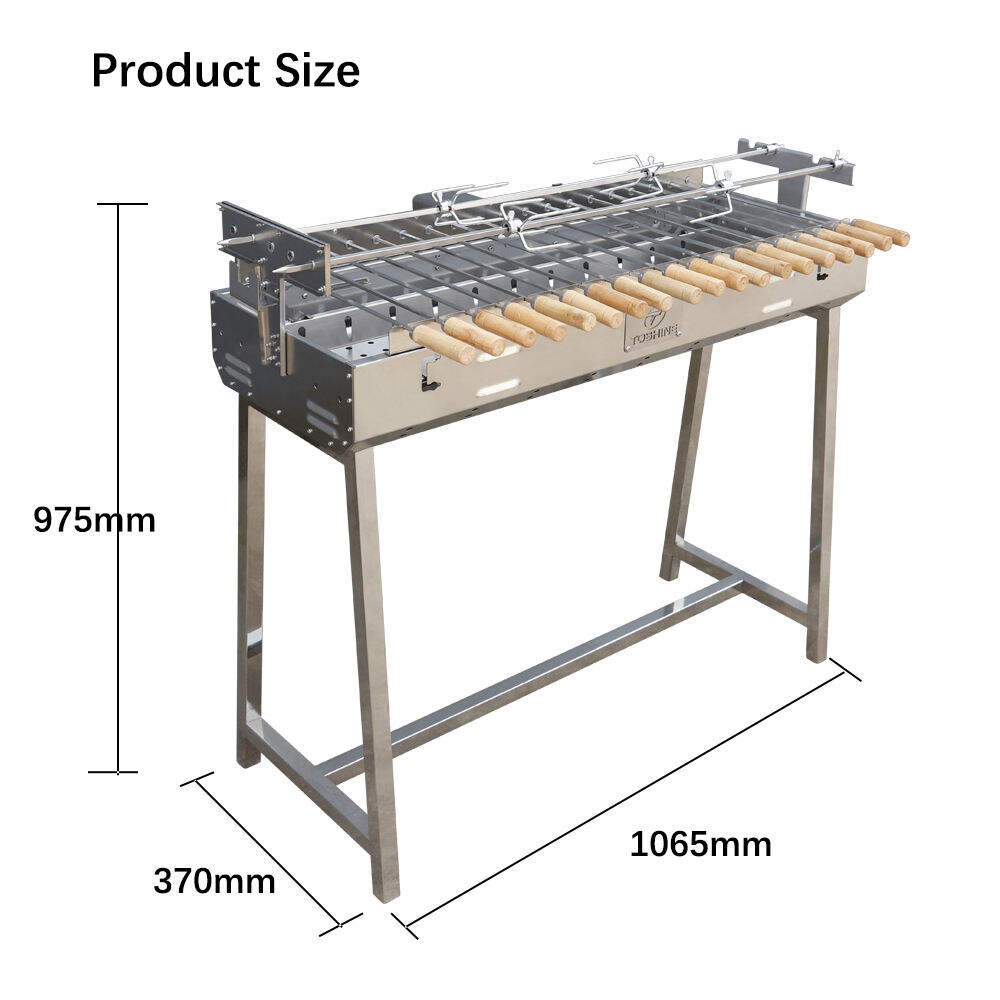
توافق شوايات الدوران (Spit Roasters) الخاصة بالشواء: التركيب، ودرع الحماية الحرارية، والشواء الدوراني المُعزَّز بالتدخين
تدعم معظم الشوايات الهجينة التجارية أجهزة شواء الدوران (الشوايات الدوارة للشواء) عبر حوامل تثبيت قياسية متوافقة مع كل من التكوينات الغازية والفحمية. ويُعد توفير درع حراري مناسب شرطًا أساسيًّا لتشغيل آمن وفعال: حيث يوضع صينية التقطير تحت عمود الشواء لالتقاط الدهون المتساقطة من اللحوم الدوارة، وتوجيه الحرارة بشكل متجانس حول اللحوم أثناء دورانها— مما يمنع اشتعال اللهب المفاجئ ويعزِّز التحمُّر الموحَّد. ويضيف منطقة الفحم قيمةً مميَّزةً هنا: إذ تُضفي رقائق أو قطع الخشب الصلب المشتعلة ببطء نكهة دخانية غامرة على البروتينات الدوارة، تتغلغل هذه النكهة بعمقٍ خلال عملية الدوران البطيئة. وعند دمج هذه الميزة مع إدارة دقيقة لتدفق الهواء وثبات درجات الحرارة في المناطق المختلفة، فإن هذا الترتيب يحقِّق نتائج شواء دوَّار فائقة الطراوة والعصارة والتعقيد العطري— ما يجعل الشوايات الهجينة أساسًا متعدد الاستخدامات وعالي الأداء للعمليات culinaire الخارجية الحديثة.