
 EN
EN
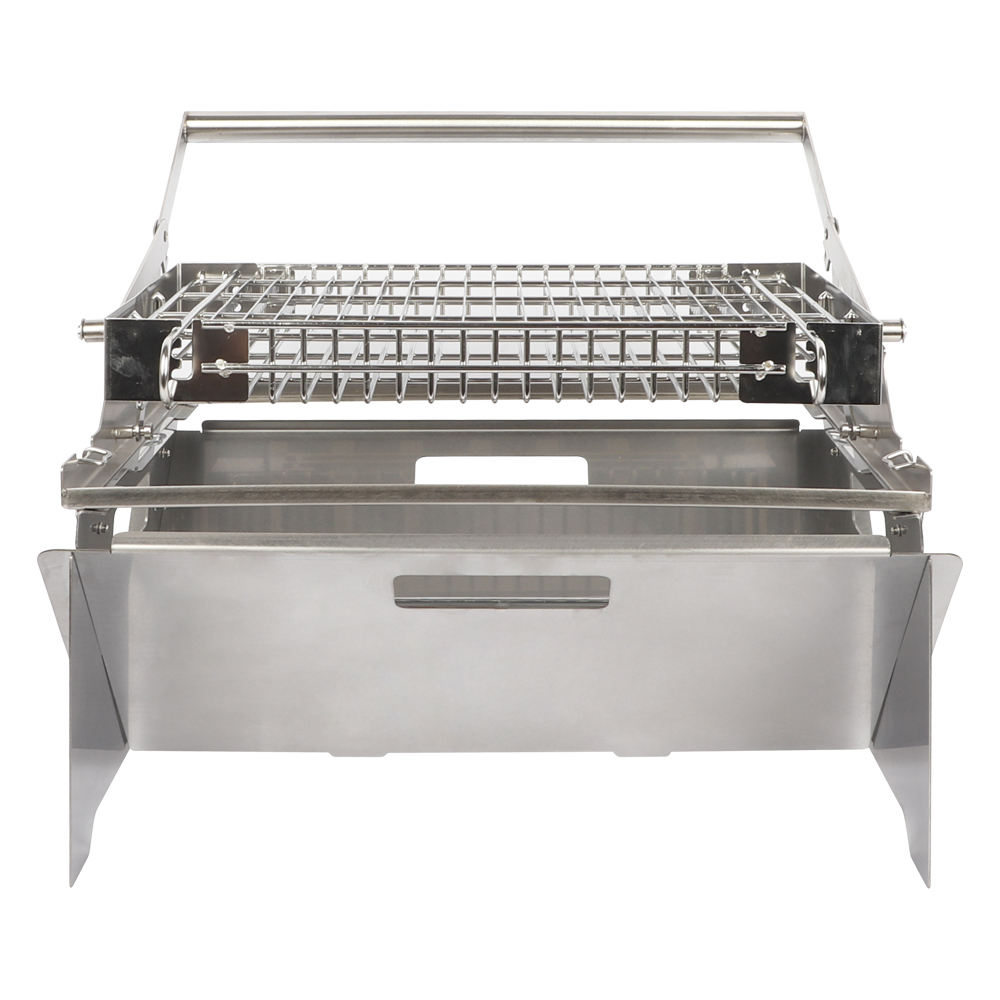
How Do You Ensure Stability When Using a Lightweight Foldable BBQ Grill?
The allure of outdoor cooking lies in its simplicity and the freedom to prepare meals anywhere, from quiet park benches to rugged campsites. A foldable bbq grill is a masterclass in portable engineering, offering a balance between convenience and culinary capability. However, because these units are designed to be lightweight, their footprint is often compact, which can occasionally lead to concerns about structural stability on uneven surfaces. Ensuring that a cooking station remains steadfast while in use is essential for both safety and the management of heat. By applying a few fundamental principles of site selection, structural awareness, and load management, it is entirely possible to transform even the most minimalist grill into a rock-solid workstation for any outdoor adventure.
The Geometry of Structural Logic
Stability begins long before the fuel is ignited. The primary challenge with lightweight equipment is the interaction between the support system and the ground. To maximize balance, always seek out the most level patch of earth available. If setting up on uneven ground, avoid the temptation to just make it work. Instead, take a moment to clear away debris, loose rocks, or thick tufts of grass that might cause the unit to wobble. If the terrain is inherently slanted, consider using flat, non-flammable materials like slate or heavy, dampened stones to create a small, leveled platform for the support legs. The physics of a tripod or quad-pod leg system depends heavily on surface contact; ensuring every point makes equal contact with the substrate is the first rule of engineering a stable cooking experience.
Understanding Weight Distribution and Load Management
Modern foldable grills are meticulously designed to handle heat and weight, but their stability is heavily influenced by how the cooking surface is managed. When placing food on the grate, try to maintain a balanced distribution across the entire frame. Loading heavy items primarily on one side of a lightweight frame can create a shifting center of gravity, which might cause the structure to tip or vibrate significantly. For smaller units, avoid over-stacking heavy pans or large quantities of food at once; instead, stagger the cooking process. By keeping the load centered over the grill’s primary support points, you minimize the risk of accidental tipping and keep the entire system grounded and responsive, even when dealing with the physical activity required to manage the food.
Utilizing Ground Anchors and Wind Protection
In exposed outdoor environments, wind is a factor for stability. A gust hitting a set-up unit can turn a cooking station into a precarious hazard. To counteract this, consider the strategic placement of the grill in relation to the prevailing wind. Positioning the unit in the lee of a larger object—such as a vehicle, a boulder, or a designated windbreak—can drastically reduce the pressure exerted on the frame. If camping in an area with softer ground, some users employ makeshift anchors, such as heavy-duty pegs or weighted bags placed near the feet of the unit. By securing the base against external forces, you add a layer of physical reinforcement that keeps the grill firmly in place throughout the duration of the use. Physical tethering is often the secret that separates a wobbly experience from a professional-grade culinary performance.
Mechanical Checks and Leg Tension
Before starting the fire, take a moment to perform a quick mechanical inspection. Foldable designs often rely on tension-based locking mechanisms or hinge stability to maintain their shape. Ensure that every locking pin is fully engaged, every hinge is free of sand or grit that might prevent a tight seal, and all legs are fully extended to their maximum footprint. A common mistake is failing to snap a support bar or leg lock completely into position, which can lead to a slight lean that only becomes apparent once the unit is under the weight of the fuel and food. Regularly cleaning the pivot points and ensuring the frame is free of bends are simple maintenance habits that keep the structural geometry sound and balanced every time it is set up.
Operational Excellence with BBQGrillWorld
Achieving a steady cooking experience is significantly easier when the equipment is built with high-precision engineering. This is where industry-focused partners like BBQGrillWorld make a difference. By emphasizing structural integrity in the design of their portable units, they provide grillers with a reliable backbone for their outdoor kitchen. Whether navigating a tricky hillside or a breezy patio, having a grill that features reinforced hinges and a wide-spread leg geometry provides an inherent advantage in stability. For outdoor enthusiasts who value both the experience and the reliability of their gear, choosing high-performance solutions from BBQGrillWorld ensures that the focus remains exactly where it should be. Investing in well-manufactured equipment is the strategy for turning an unstable experience into a seamless journey. Through dedicated material science and disciplined manufacturing, every grill becomes a durable, authoritative tool for the modern outdoor chef.
Cultivating a Lasting Asset
Equipment should be viewed as a long-term investment. By prioritizing the technical advantages of well-planned design, high-grade materials, and stringent quality inspection, decision-makers ensure that they receive a premium product that withstands the test of time. Ultimately, the choice of a manufacturing partner dictates the long-term success of the equipment's utility. Selecting proven solutions from experts provides the necessary foundation for a professional, comfortable, and sustainable appearance, ensuring that the standards of the user are maintained with precision for years to come. Through such meticulous planning and professional collaboration, these grills stand as true, enduring symbols of institutional excellence and integrity.
Table of Contents
- How Do You Ensure Stability When Using a Lightweight Foldable BBQ Grill?
- The Geometry of Structural Logic
- Understanding Weight Distribution and Load Management
- Utilizing Ground Anchors and Wind Protection
- Mechanical Checks and Leg Tension
- Operational Excellence with BBQGrillWorld
- Cultivating a Lasting Asset