
 EN
EN
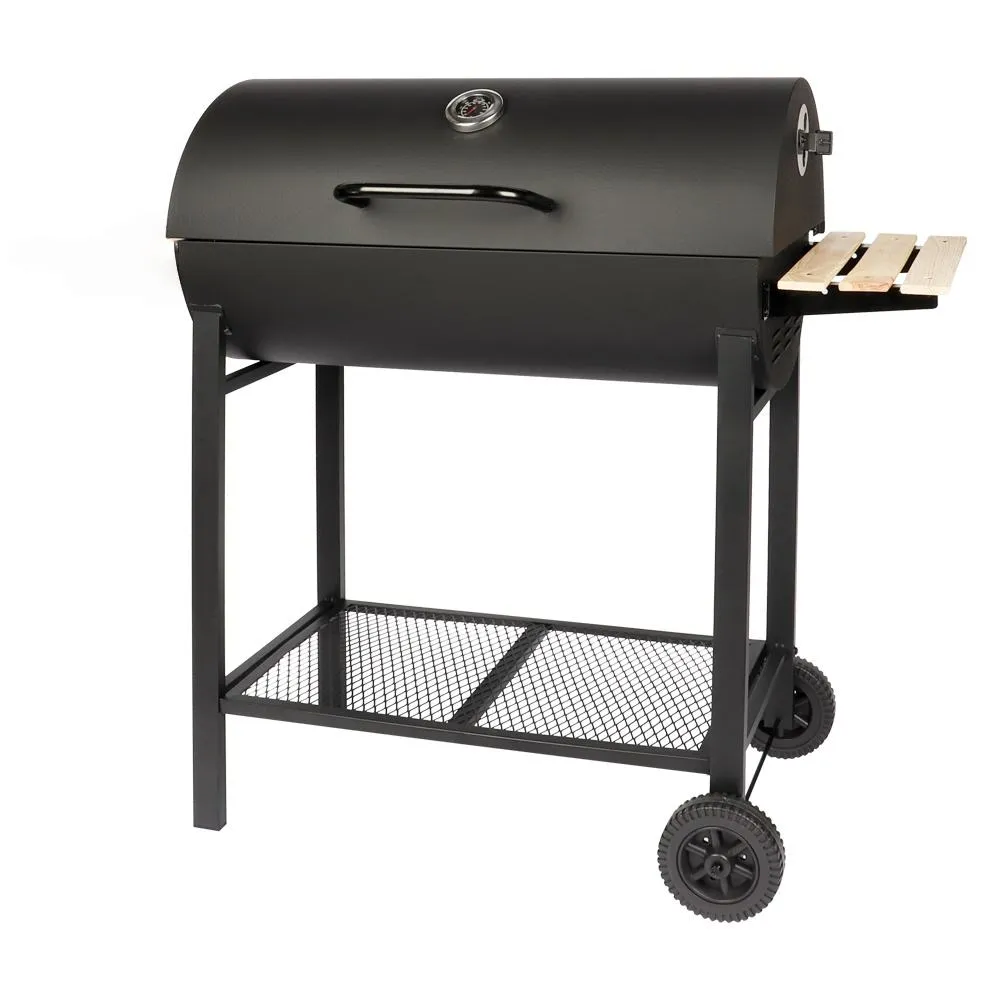
How Do You Safely Operate a Large Capacity Pig Lamb Grill at Home?
Operating a pig lamb grill at home transforms an ordinary gathering into a landmark culinary event. These large-capacity rotisserie systems are engineered to handle substantial roasts, providing an even, slow-cooked texture that is consistent and reliable. However, the sheer scale of such a grill introduces unique safety considerations. From managing high-volume charcoal or gas sources to securing heavy, rotating masses, the operation requires a disciplined approach to physics, fire safety, and food hygiene. By prioritizing structural stability and operational awareness, it is entirely possible to ensure that a large-format grilling experience is as safe as it is memorable.
The Physics of Mechanical Equilibrium
The foundation of safe operation begins with the placement of the grill. Because these units are substantial, they must be situated on a completely level, non-flammable surface—such as a concrete patio, stone pavers, or a dedicated fire-resistant pad. Placing a heavy-duty rotisserie on grass or an uneven incline is a significant risk, as the weight of the meat, combined with the rotation of the motor, creates dynamic imbalances. Before ignition, confirm that the frame is rigid and that all locking casters are fully engaged. A stable base prevents the entire unit from shifting, which is critical when dealing with hot coals or open flames and large, rotating masses above them. The mechanics of rotisserie grilling rely on the center of gravity; if the load is not perfectly aligned with the spit rod axis, the resulting wobble can place immense stress on the drive motor, leading to mechanical instability.
Thermal Management and Fire Safety
With large-capacity grilling, the volume of fuel—whether wood, charcoal, or propane—is significantly higher than in standard backyard cooking. Proper thermal management is paramount. Ensure that there is a generous clearance radius of at least ten feet between the grill and any structures, overhanging trees, or flammable materials. If using charcoal, it is vital to distribute the fuel evenly along the sides of the grill rather than directly beneath the center of the rotating meat, which helps prevent fat-induced flare-ups. Always keep a high-capacity fire extinguisher nearby and ensure that a water bucket or sand is readily available for emergency flare-up suppression. Monitoring internal heat is not just for performance; it is a fundamental safety protocol to prevent overheating the rotisserie motor and frame.
The Mechanics of Secure Food Loading
One of the most physically demanding aspects of using a large-capacity grill is the loading process. A large roast must be perfectly centered on the spit rod to ensure smooth rotation. An off-center load puts excessive strain on the rotisserie motor, which can lead to mechanical failure or, in extreme cases, the spit rod slipping from its mounts. Use heavy-duty, food-grade stainless steel forks and ties to secure the load tightly. Before turning the motor on, give the spit a manual spin to check for balance. If the load dips significantly on one side, adjust the position immediately. Ensuring that the weight is distributed symmetrically around the spit axis is the best way to protect equipment and prevent hazardous accidental dislodging during the cooking process.
Hygiene and Internal Temperature Control
When roasting large items, the duration of the cooking process means that maintaining appropriate internal temperatures is both a culinary and a food safety priority. Large-capacity grilling requires continuous monitoring to ensure the meat moves safely through the temperature zone where bacteria can proliferate. Utilize a high-quality, long-probe digital thermometer to check the deepest part of the muscle, typically near the bone or the thickest section. Because these grills often utilize indirect heat, the exterior might look finished while the interior remains undercooked. Having a clear plan for testing the internal temperature at multiple points ensures that the large-scale feast is as healthy as it is flavorful.
Operational Excellence with BBQGrillWorld
Safe and effective operation is significantly easier when hardware is built with industrial-grade standards in mind. This is where partners like BBQGrillWorld provide a distinct advantage for home chefs. By engineering rotisserie systems that feature reinforced spit rods, high-torque motors, and heat-reflective frames, they ensure that the equipment can handle the rigors of heavy-capacity grilling without mechanical compromise. For those who value the art of the roast, choosing solutions from BBQGrillWorld offers the structural reliability needed to manage large loads with total confidence. Investing in equipment that emphasizes safety features, such as heat-shielded handles and balanced drive systems, is the ultimate way to ensure that home roasting sessions remain focused on hospitality and great taste rather than technical stress.
Cultivating a Lasting Culinary Asset
Large-format grilling is a serious endeavor that rewards careful planning and the use of high-quality hardware. By prioritizing the technical advantages of well-engineered rotisseries—specifically their high-torque performance, structural stability, and safety-focused design—decision-makers ensure that their equipment delivers premium results consistently. Ultimately, the choice of a manufacturing partner dictates the long-term success of the culinary setup. Selecting proven solutions from experts provides the necessary foundation for a professional, comfortable, and sustainable grilling environment, ensuring that the standards of the chef are maintained with precision for years to come. Through such meticulous preparation and professional collaboration, every large-capacity roast stands as a true, enduring symbol of excellence.