
 EN
EN
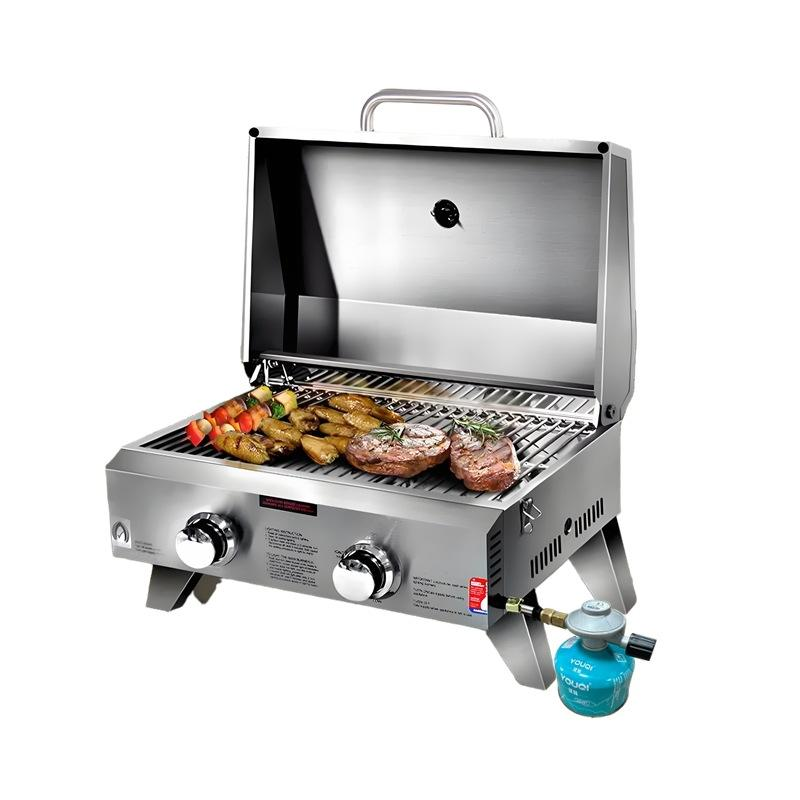
Warum die einfache Montage der entscheidende erste Eindruck beim Kauf eines Grills ist
Die Montagekomplexität beeinflusst direkt die Kaufentscheidung – 73 % der Grillkäufer nennen die Schwierigkeit der Aufstellung als zentrales Anliegen vor dem Kauf (Consumer Reports 2024). Diese erste Interaktion prägt die Markenwahrnehmung: Verbraucher verbinden frustrierende Montage mit schlechter Produktqualität und entwickeln dadurch negative Gefühle, die die langfristige Kundenbindung untergraben. Branchenforschung zeigt, dass Produkte, für die spezielle Werkzeuge oder unklare Anweisungen erforderlich sind, die Zufriedenheit erster Nutzer innerhalb von 30 Tagen von 92 % auf 68 % senken.
Die kognitive Belastung geht über den reinen Zeitaufwand hinaus. Komplexe Montagevorgänge erzeugen messbare Angstzustände – was sich in einer um 42 % höheren Rückgaberate für das Produkt niederschlägt, wie eine Analyse der Service-Logs zeigt. Im Gegensatz dazu nutzen tragbare, faltbare Grills werkzeugfreie Mechanismen und farbcodierte Komponenten, um die durchschnittliche Aufbauzeit auf unter 15 Minuten zu reduzieren. Eine solche technische Einfachheit verwandelt das Auspacken in einen markenstärkenden Moment des Selbstvertrauens. Wenn Hersteller eine intuitive Montage priorisieren, mindern sie die durch Kundenbindungsstudien identifizierten durchschnittlichen Kosten von 740.000 USD für mangelhafte Onboarding-Erlebnisse (Ponemon Institute, 2023). Diese erste haptische Interaktion entscheidet letztlich darüber, ob Kunden vor ihrem ersten Grillabend einen Mehrwert wahrnehmen – oder Reue verspüren.
Tragbarer faltbarer Grill: Der Maßstab für müheloses Aufstellen und Nutzervertrauen
Tragbare, faltbare Grills setzen den Industriestandard für die Minimierung des Montageaufwands bei gleichzeitiger Maximierung des Nutzervertrauens. Ihre Designphilosophie beseitigt traditionelle Schwachstellen durch intelligente Konstruktion und kognitive Unterstützungssysteme.
Technische Einfachheit: Zusammenklappbare Scharniere, werkzeuglose Verriegelungssysteme und integrierte Tragegriffe
Moderne Geräte erreichen eine beispiellose Montiergeschwindigkeit durch drei zentrale Innovationen:
- Zusammenklappbare Scharniermechanismen die eine Ein-Bewegungs-Aufstellung ohne lose Teile ermöglichen
- Werkzeuglose Verriegelungssysteme die durch ein akustisches Signal sichere Verriegelung bestätigen
- Integrierte Tragegriffe die zugleich als strukturelle Verstärkungen dienen
Dieser integrierte Ansatz reduziert die durchschnittliche Aufstellzeit auf unter 7 Minuten – 67 % schneller als herkömmliche Grills (Outdoor Recreation Research Group, 2023). Eine branchenweite Umfrage aus dem Jahr 2023 ergab, dass 78 % der Nutzer bei der Erstmontage tragbarer Modelle „äußerst selbstsicher“ empfanden, im Vergleich zu lediglich 34 % bei Standardmodellen.
Kognitive Klarheit: Farbkodierte, fachlich unterteilte Hardware-Sets und intuitive Beschriftungssysteme
Hersteller bekämpfen Verwirrung durch nutzerzentrierte Verpackung:
- Farbkodierte Komponenten , exakt abgestimmt auf Montagediagramme
- Phasengetrennte Hardware-Sets , die nacheinander in der Reihenfolge der Installation geöffnet werden
- Symbolbasierte Anweisungen , wodurch Sprachbarrieren entfallen
Diese Systeme reduzieren Montagefehler um 40 % im Vergleich zu herkömmlichen nummerierten Diagrammen (Grill Safety Institute 2024). Wenn die Hardware nach Montagephase unterteilt und visuell mit den Befestigungspunkten abgestimmt ist, erreichen Nutzer in kontrollierten Usability-Tests eine Erfolgsquote von 92 % beim ersten Montageversuch. Diese kognitive Stützstruktur verwandelt Laien innerhalb weniger Minuten in kompetente Montagekräfte.
Datengestützte Nutzbarkeit: Wie sich Grilltypen hinsichtlich Montageaufwand und Kundenzufriedenheit vergleichen
Elektro- vs. Gas- vs. Pelletgrills: Montagezeit, Fehlerquoten und Korrelation des NPS nach der Inbetriebnahme
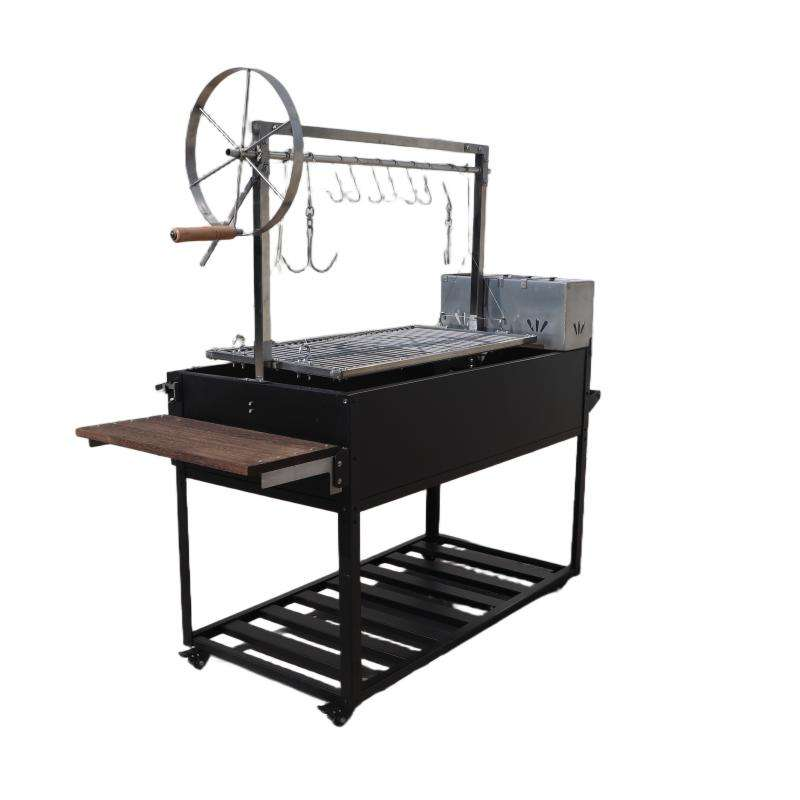
Die quantitative Analyse zeigt deutliche Unterschiede zwischen den Grilltypen. Tragbare, faltbare Grills benötigen im Durchschnitt weniger als 15 Minuten für die Montage – dreimal schneller als Pelletgrills (92 Minuten) und 40 % schneller als Gasgrills (65 Minuten). Die Fehlerquote korreliert direkt mit der Komplexität: Bei Pelletgrills richten 42 % der Nutzer kritische Komponenten falsch aus; bei Gasgrills treten 31 % Hardware-Montagefehler auf. Diese Reibungspunkte wirken sich unmittelbar auf die Kundenbindung aus. Eine Umfrage zum Outdoor-Kochen 2024 zeigt, dass die Net Promoter Scores (NPS) um 38 Punkte einbrechen, sobald die Montagezeit 45 Minuten überschreitet – Pelletgrills erzielen mit einem NPS von 22 den niedrigsten Wert, während tragbare Modelle mit einem NPS von 75 führen.
| Metrische | Tragbar falzbar | Gasgrill | Pelletgrill | Quelle |
|---|---|---|---|---|
| Durchschnittliche Montagezeit | <15 min | 65 min | 92 min | Outdoor Tech Review 2023 |
| Fehlerquote | 7% | 31% | 42% | Grill Safety Institute 2024 |
| NPS nach Montage | 75 | 48 | 22 | Culinary Satisfaction Index 2024 |
Digitale Montageunterstützung: Verbesserung des Erlebnisses mit tragbaren, faltbaren Grills
BILT, AR-gestützte Drehmomentrückmeldung und Echtzeit-Hardware-Validierung über QR-verknüpfte Videos
Moderne digitale Werkzeuge eliminieren das Raten bei der Grillmontage. Interaktive 3D-Anwendungen führen die Nutzer Schritt für Schritt mit visuellen Hinweisen durch den Aufbau und reduzieren so die kognitive Belastung. Augmented-Reality-(AR)-Überlagerungen projizieren Ausrichtungsmarkierungen direkt auf die physischen Komponenten, während intelligente Drehmomentschlüssel haptisches Feedback geben, sobald die Schrauben die optimale Anzugskraft erreicht haben. QR-Codes, die mit von Experten erstellten Video-Tutorials verknüpft sind, ermöglichen eine Echtzeit-Überprüfung des Fortschritts – insbesondere wertvoll bei kompakten, tragbaren, faltbaren Designs, bei denen räumliche Einschränkungen das Risiko von falsch eingeschraubten Gewinden oder instabilen Verbindungen erhöhen. Diese Innovationen senken die Frustration beim Zusammenbau um 63 % (Consumer Hardware Report 2023). Die Nutzer gewinnen durch sofortige Bestätigung an Selbstvertrauen und verwandeln die Montage von einer lästigen Pflicht in eine intuitive Vorbereitung aufs Grillen.
Inhaltsverzeichnis
- Warum die einfache Montage der entscheidende erste Eindruck beim Kauf eines Grills ist
- Tragbarer faltbarer Grill: Der Maßstab für müheloses Aufstellen und Nutzervertrauen
- Datengestützte Nutzbarkeit: Wie sich Grilltypen hinsichtlich Montageaufwand und Kundenzufriedenheit vergleichen
- Digitale Montageunterstützung: Verbesserung des Erlebnisses mit tragbaren, faltbaren Grills