
 EN
EN
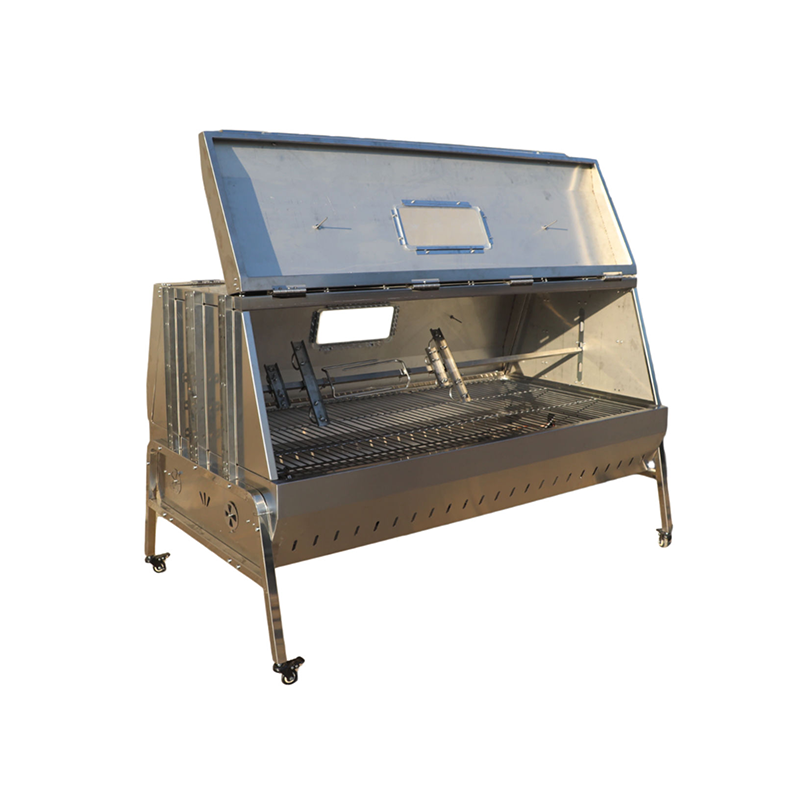
वास्तविक दुनिया के बारबेक्यू स्पिट रोस्टर वातावरण में संक्षारण प्रतिरोध
उच्च आर्द्रता, धुएँ और नमकीन परिस्थितियों में पिटिंग और जंग को कैसे प्रभावित करती है क्रोमियम और निकल की मात्रा
स्टेनलेस स्टील की संक्षारण प्रतिरोधकता उसकी मिश्र धातु के संघटन पर गहराई से निर्भर करती है। बीबीक्यू स्पिट रोस्टर्स में—जो आर्द्रतायुक्त धुएँ, नमक युक्त मैरिनेड और अम्लीय खाद्य पदार्थों के संपर्क में आते हैं—क्रोमियम (304 में 18–20%) एक स्व-मरम्मत करने वाली निष्क्रिय ऑक्साइड परत बनाता है जो सतही ऑक्सीकरण का प्रतिरोध करती है। निकल (304 में 8–10.5%) इस परत को स्थिर करता है, जिससे क्लोराइड आयनों—जो तटीय वायु या नमकीन मांस में सामान्य रूप से पाए जाते हैं—के कारण होने वाले छिद्रण संक्षारण के प्रति प्रतिरोध में काफी सुधार होता है। इसके विपरीत, 430 स्टेनलेस स्टील (16–18% क्रोमियम, ≤0.75% निकल) में तापीय और रासायनिक तनाव के अधीन फिल्म की अखंडता बनाए रखने के लिए पर्याप्त निकल नहीं होता है। इसकी फेरिटिक संरचना के कारण ऑक्साइड परत अधिक भंगुर हो जाती है, अतः बार-बार तापन चक्रों से यह आसानी से टूट जाती है, जिससे शुद्ध धातु का उजागर होना होता है और तेजी से जंग लगने लगता है। ASTM B117 लवण-कोहरा परीक्षण प्रतिबंधों के अंतर्गत धातुविज्ञानीय परीक्षण से पुष्टि होती है कि 500 घंटों के बाद 430 में 304 की तुलना में 2–3 गुना अधिक छिद्र विकसित होते हैं—जो प्रभावी रूप से भारी वाणिज्यिक उपयोग के तीन वर्षों का अनुकरण करता है।
क्षेत्रीय साक्ष्य: 3–5 वर्षों में व्यावसायिक बारबेक्यू स्पिट रोस्टर्स में संक्षारण की विफलता दर
वास्तविक दुनिया का प्रदर्शन प्रयोगशाला के निष्कर्षों को दर्शाता है। फूड ट्रकों और उच्च-मात्रा वाले रेस्तरां के आधार पर, 430-आधारित स्पिट रोस्टर्स में तीन वर्षों के भीतर 40–60% की विफलता दर देखी गई—जो रोटिसेरी शाफ्ट, ब्रैकेट और खाद्य-संपर्क सतहों पर झिल्लीदार जंग के रूप में साबित हुई। तटीय क्षेत्रों के संचालकों को त्वरित अपघटन का सामना करना पड़ता है: एक फ्लोरिडा स्थित कैटरिंग व्यवसाय को क्लोराइड-प्रेरित छिद्रण के कारण 430 के घटकों को प्रत्येक 18 महीने में बदलना पड़ा। इसके विपरीत, 304-सुसज्जित इकाइयाँ समान परिस्थितियों में केवल हल्के सतही धब्बों के साथ पाँच वर्ष या उससे अधिक समय तक निर्बाध रूप से कार्य करती हैं। रखरखाव लॉग दर्शाते हैं कि 430 रोस्टर्स में भागों के प्रतिस्थापन के लिए अनियोजित रुकावट 2.5 गुना अधिक होती है—जिससे प्रति इकाई प्रति वर्ष श्रम, आपातकालीन मरम्मत और खोए गए सेवा समय के लिए $1,200+ की लागत आती है। 2024 में प्रकाशित जीवन चक्र विश्लेषण इस बात की पुष्टि करते हैं कि 430 की कम प्रारंभिक लागत तीसरे वर्ष तक पूरी तरह से संतुलित हो जाती है, जिससे समय के साथ 304 अधिक आर्थिक विकल्प बन जाता है।
बीबीक्यू स्पिट रोस्टर्स के लिए कुल स्वामित्व लागत: प्रारंभिक सामग्री मूल्य के अतिरिक्त
304 की कच्ची सामग्री प्रीमियम का 30–60% का परिमाणात्मक मूल्यांकन — और जब यह अवरुद्ध समय में कमी के माध्यम से लाभदायक होता है
हालाँकि 304 स्टेनलेस स्टील की कीमत 430 की तुलना में 30–60% अधिक है, फिर भी यह निवेश स्पष्ट रूप से मापने योग्य संचालन संबंधी रिटर्न ऑन इन्वेस्टमेंट (ROI) प्रदान करता है। फूडसर्विस संचालन डेटा (2023) के अनुसार, व्यावसायिक रसोइयों में 430 के घटकों के उपयोग से जंग संबंधित विफलताओं के कारण अनियोजित अवरुद्ध समय तीन गुना अधिक होता है—प्रत्येक घटना के कारण $740–$1,200 की आय की हानि और आपातकालीन मरम्मत लागत आती है। 304 की निकल-संवर्धित संक्षारण प्रतिरोधक क्षमता अम्लीय मैरिनेड्स, सफाई एजेंट्स और वातावरणीय लवणों से होने वाले पिटिंग को रोकती है, जिससे घटकों का जीवनकाल पाँच वर्ष या उससे अधिक तक बढ़ जाता है—जबकि 430 के लिए यह काल 18–30 महीने होता है। एक मानक व्यावसायिक जीवन चक्र के आधार पर मूल्यांकन करने पर, स्थायी उपयोग समय, कम प्रतिस्थापन और कम रखरखाव श्रम के माध्यम से सामग्री प्रीमियम की पूर्ति दो से तीन वर्षों के भीतर हो जाती है।
5 वर्ष के संचालन जीवन चक्र में रखरखाव, प्रतिस्थापन और NSF-संबंधित अनुपालन लागतें
NSF अनुपालन गैर-पूर्वानुमानित सामग्रियों के लिए महत्वपूर्ण छिपी हुई लागतें उत्पन्न करता है। प्रकार 304 स्टेनलेस स्टील को सीधे खाद्य संपर्क के लिए NSF/ANSI 2 एवं 8 के तहत पूर्वानुमानित रूप से मान्यता प्रदान की गई है; जबकि 430 के लिए महंगी पुष्टिकरण प्रक्रिया की आवश्यकता होती है—जिसमें तृतीय-पक्ष जंग रोधी परीक्षण, दस्तावेज़ीकरण ऑडिट और पुनर्कार्य (रीवर्क) शामिल हैं—जिससे प्रति इकाई प्रमाणन शुल्क में $1,500–$3,000 की वृद्धि हो जाती है। रखरखाव का बोझ भी तेज़ी से अलग हो जाता है:
| लागत कारक | 430 स्टेनलेस स्टील | 304 स्टेनलेस स्टील |
|---|---|---|
| वार्षिक सफाई समय | 40–60 घंटे | 15–25 घंटे |
| भाग प्रतिस्थापन | 5 वर्षों में 2–3 बार | 5 वर्षों में 0–1 बार |
| अनुपालन लेखा परीक्षा | वार्षिक सत्यापन | केवल प्रारंभिक मान्यता |
430 की सूक्ष्म-सुषिरता वसा और कार्बन अवशेषों को फँसा लेती है, जिससे प्रत्येक सफाई चक्र में रगड़ने का समय 35% बढ़ जाता है। 430 प्रणालियों के लिए प्रतिस्थापन भागों की लागत 20–40% अधिक होती है, जिससे कुल स्वामित्व व्यय में वृद्धि होती है। पाँच वर्षों में, 304 कुल संचालन लागतों को 18–22% तक कम करता है—केवल टिकाऊपन के कारण नहीं, बल्कि सरलीकृत स्वच्छता, अनुपालन और श्रम दक्षता के कारण भी।
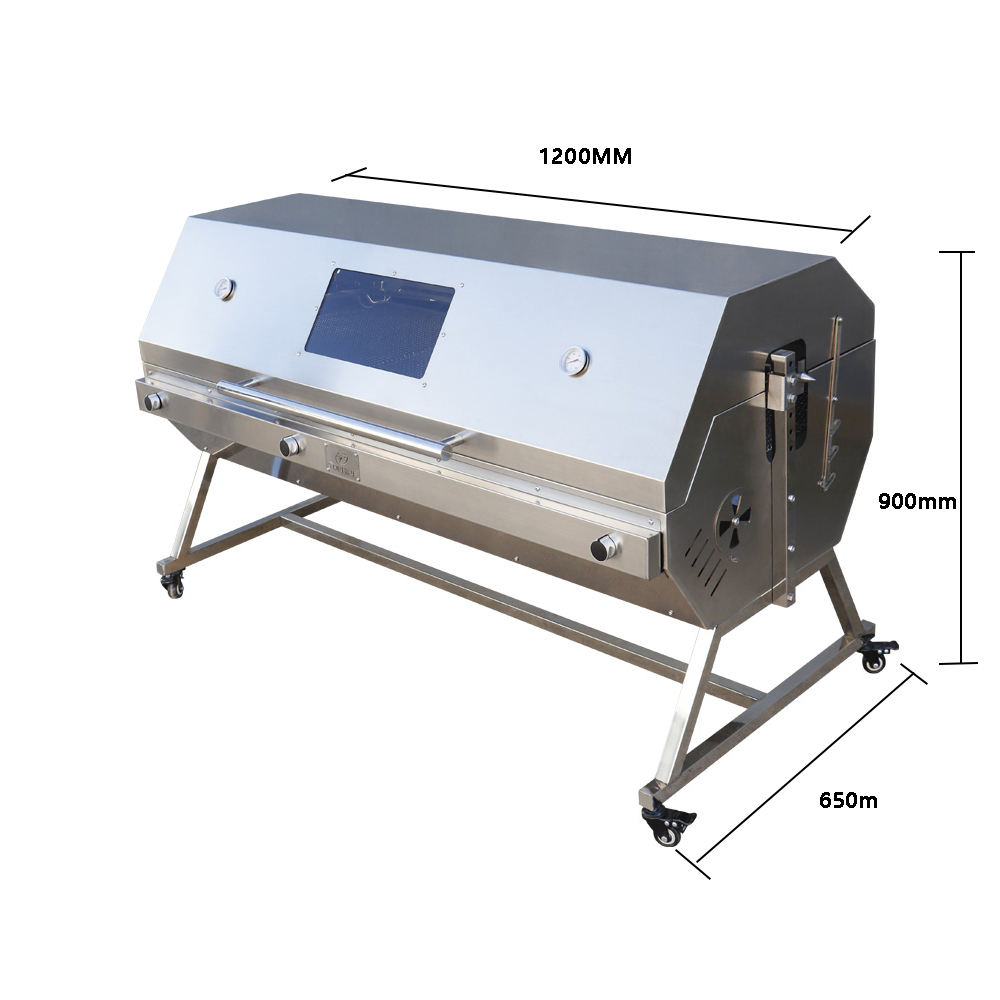
खाद्य सुरक्षा, सफाई योग्यता और बीबीक्यू स्पिट रोस्टर्स पर प्रत्यक्ष खाद्य-संपर्क सतहों के लिए एनएसएफ अनुपालन
एनएसएफ/एएनएसआई 2 और 8 आवश्यकताएँ: क्यों 304 को पूर्वधारित रूप से मंजूरी दी गई है — और 430 के लिए मान्यता प्राप्ति का बोझ
एनएसएफ/एएनएसआई 2 और 8 के अनुसार, खाद्य-संपर्क सतहों को गैर-सुगम, संक्षारण-प्रतिरोधी और ऐसी दरारों से मुक्त होना चाहिए जहाँ रोगाणुओं का प्रसार हो सकता है। प्रकार 304 स्टेनलेस स्टील को पूर्वधारित रूप से मंजूरी दी गई है क्योंकि इसकी 8–10.5% निकल सामग्री एक स्थिर, चिकनी निष्क्रिय परत (≤32 आरए सतह कठोरता) सुनिश्चित करती है जो सॉस, नमक और वसा से होने वाले छिद्रण का प्रतिरोध करती है— और बार-बार शुद्धिकरण के बाद भी इसके गुणों में कोई कमी नहीं आती है। यह सीधे रूप से मांगपूर्ण बीबीक्यू वातावरण में खाद्य सुरक्षा और सफाई योग्यता का समर्थन करता है।
हालांकि, प्रकार 430 में इन कार्यात्मक आवश्यकताओं को पूरा करने के लिए प्रमाणन के बिना पर्याप्त निकल नहीं होता है। निर्माताओं को सख्त परीक्षण—जिसमें सिमुलेटेड बारबेक्यू एक्सपोज़र (ऊष्मा, धुआँ, मारिनेड), तृतीय-पक्ष संक्षारण मूल्यांकन और पूर्ण प्रलेखन ऑडिट शामिल हैं—का संचालन करना आवश्यक है, ताकि 304 के समतुल्य होने का प्रमाण दिया जा सके। ये प्रयास उत्पादन को 4–12 सप्ताह तक विलंबित कर देते हैं और अनुपालन संबंधी अतिरिक्त लागत में वृद्धि करते हैं। व्यावसायिक रसोईघरों ने 430 जैसी गैर-पूर्वानुमानित सामग्रियों के उपयोग के दौरान अनुपालन से संबंधित लागत में 27% की वृद्धि की सूचना दी है—जो लागतें 304 को शुरू से ही निर्दिष्ट करने पर समाप्त हो जाती हैं।
लंबे समय तक बाहरी पकाने के चक्रों के दौरान उच्च-तापमान प्रदर्शन और संरचनात्मक अखंडता
बीबीक्यू स्पिट रोस्टर्स बहु-घंटे के बाहरी पकाने के सत्रों के दौरान अत्यधिक तापीय तनाव का सामना करते हैं—जहाँ सामग्री का चयन सीधे सुरक्षा, विश्वसनीयता और सेवा निरंतरता को प्रभावित करता है। जबकि 304 और 430 दोनों खाद्य उपकरणों में उपयोग किए जाते हैं, उनका उच्च तापमान पर व्यवहार काफी भिन्न होता है। 304 की ऑस्टेनिटिक संरचना—जो 8–10.5% निकल द्वारा स्थिरीकृत है—1500°F (816°C) तक शक्ति और आयामी स्थिरता बनाए रखती है। यह भारी मांस के भार को सहन करने वाली स्पिट छड़ों के लिए महत्वपूर्ण है, जहाँ विरूपण या झुकाव घूर्णन, ऊष्मा वितरण और खाद्य सुरक्षा को समाप्त कर देता है।
इसके विपरीत, 430 की फेरिटिक संरचना 800°F (427°C) से ऊपर गर्म होने पर कमजोर होना शुरू हो जाती है, जिससे स्थायी विरूपण और दाने की सीमा का भंगुर होना होने का खतरा होता है। बार-बार होने वाले तापीय चक्र अणु-दरारों के विकास को तेज करते हैं, जिससे जल्दी थकान विफलता आती है। वाणिज्यिक रसोईघरों से प्राप्त क्षेत्र डेटा दर्शाता है कि दैनिक उपयोग के तहत 304 के स्पिट रोस्टर्स, 430 के समकक्ष मॉडलों की तुलना में 3–5 वर्ष अधिक समय तक चलते हैं—जिससे प्रतिस्थापन की आवृत्ति 40% कम हो जाती है। शिखर सेवा मांगों का प्रबंधन करने वाले संचालकों के लिए, 304 की तापीय प्रतिरोध क्षमता केवल एक इंजीनियरिंग लाभ नहीं है—यह वास्तव में सेवा के दौरान आपातकालीन विफलता के खिलाफ एक सुरक्षा उपाय है।
विषय-सूची
- वास्तविक दुनिया के बारबेक्यू स्पिट रोस्टर वातावरण में संक्षारण प्रतिरोध
- बीबीक्यू स्पिट रोस्टर्स के लिए कुल स्वामित्व लागत: प्रारंभिक सामग्री मूल्य के अतिरिक्त
- खाद्य सुरक्षा, सफाई योग्यता और बीबीक्यू स्पिट रोस्टर्स पर प्रत्यक्ष खाद्य-संपर्क सतहों के लिए एनएसएफ अनुपालन
- लंबे समय तक बाहरी पकाने के चक्रों के दौरान उच्च-तापमान प्रदर्शन और संरचनात्मक अखंडता