
 EN
EN
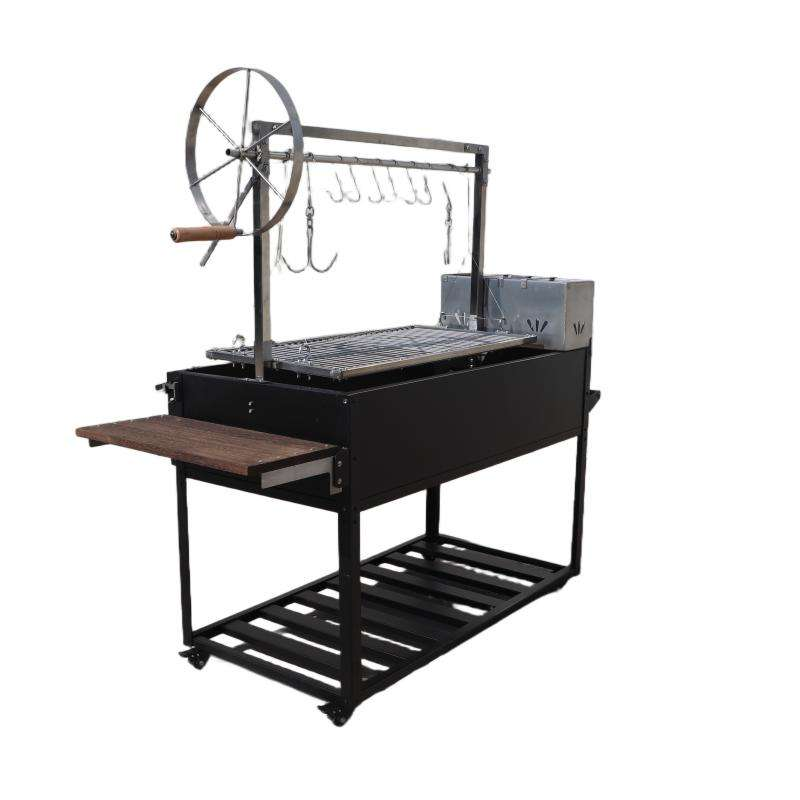
Ի՞նչ է Սանտա Մարիայի գրիլը. Ծագումը, դիզայնը և հիմնական խոհարարական փիլիսոփայությունը
Կարգավորելի երկաթե գրիլի ցանցեր և կենդանի կաղնու վրա հիմնված ուղղակի կրակ
Ստեղծվել է Կալիֆոռնիայի Կենտրոնական ափի ֆերմաներում 1800-ականների կեսերին, Սանտա Մարիայի գրիլը դարձել է պրակտիկ լուծում մեծ մսի կտորները անկանոն բոցի վրա խոզանակավորելու համար: Իսպանացի վակերոները ստեղծել են դրա բնորոշ ձեռքով պտտվող պոլիսպաստային համակարգը՝ ճշգրտորեն բարձրացնելու կամ իջեցնելու ծանր երկաթե ցանցերը. այսպիսով հնարավոր է անմիջապես ենթարկել դրանք ուժեղ կենդանի սաղարթի բոցի՝ կեղևի առաջացման համար, ապա աստիճանաբար հեռացնել բոցից՝ վերահսկվող խոզանակավորման համար: Այլ կերպ, քան ստատիկ գրիլները, այս կարգավորվող բարձրությունը հնարավորություն է տալիս հարմարվել վառելափայտի այրման ժամանակ բնական ջերմության տատանումներին: Կենտրոնական ափի կենդանի սաղարթը, որը խիտ է և մաքուր է այրվում ստանդարտ ածուխի համեմատ, համարվում է ավանդական վառելանյութ, որը ավելի բարձր BTU է տալիս և տալիս է յուրահատուկ, մի փոքր քաղցր ծուխ: Նախագծի կենտրոնում կային կրակի վերահսկումը. խոզանակավորողները կարգավորում են բոցին մոտեցումը, այլ ոչ թե օդի հոսքը կամ գազային կարգավորիչները: Այս մատակարարվող վերահսկումը հնարավորություն է տալիս ստանալ ուժեղ փայտե ծխի ներծծում, ճշգրիտ կարամելացում և հուսալի արդյունքներ հաստ, խիտ մսի կտորների համար:
Տրայ-թիփը՝ որպես սահմանաբազմացնող կտոր, և ինչու է այն պահանջում Սանտա Մարիայի գրիլը
Եռանկյունաձև տրի-թիփ կտրվածքը՝ ստացված ստորին սիրլոյնից, անբաժանելի դարձավ Սանտա Մարիայի գրիլինգից իր կառուցվածքային ասիմետրիայի շնորհիվ. այն կշռում է 1,5–2,5 ֆունտ (0,7–1,1 կգ) սուր սեղմված ծայրերով և հաստ կենտրոնով: Ամրացված բարձրությամբ գրիլներում այն վտանգված է ծայրերում գորշանալու, մինչդեռ կենտրոնական մասը թերաբար է եփվում: Սանտա Մարիայի կարգավորվող ցանցը լուծում է այս խնդիրը երկու նախապես մտածված փուլերով.
- Կծկման փուլ ցանցը իջեցվում է սաղարթի բոցին մոտ (500–600°F), որը 5–7 րոպեում ստեղծում է խորը և համասեռ կեղև:
- Դանդաղ ավարտ ցանցը բարձրացվում է մինչև 12–18 դյույմ (30–45 սմ), ինչը նվազեցնում է ճառագայթային ինտենսիվությունը մինչև 225–250°F (107–121°C), թույլ տալով համեմատաբար մեղմ կոնվեկցիայի ներթափանցել առանց բոցավառումների:
Այս մեթոդը հավասարաչափ է տալիս մկանների մեջ գտնվող ճարպը, պահպանում է խոնավությունը և ամբողջ մակերեսը ենթարկում է անարգել ծուխի՝ ի տարբերություն ծուխը կուտակող ծածկոցով սարքերի, որոնք կազմում են գոլորշի։ Տրայ-թիփի խոշոր մանրաթելային կառուցվածքը հեշտությամբ կլանում է կենդանի կաղնու ծուխը, ինչը հանգեցնում է տարածաշրջանային հատկանիշի ստեղծման՝ վարդագույն, փափուկ ներսի, որը պատված է ժանգոտ, լավ սահմանված կեղևով և ունի տեսանելի ծուխի օղակի ներթափանցում։ Որևէ այլ կտրվածք չի օգտագործում գրիլի դինամիկ բարձրության կարգավորումը այդչափ լիարժեք, որպեսզի օպտիմալացվեն տեքստուրան և համը։
Ավանդական արգենտինական պարիլյա. կրակի մնացորդներ, ծեսեր և ֆունկցիոնալ սահմանափակումներ
Ստատիկ բարձրությամբ երկաթե պարիլյա ցածր ջերմությամբ, ճառագայթային փայտե կրակի մնացորդների վրա
Ավանդական արգենտինական պարիլյան բաղկացած է ստատիկ բարձրությամբ երկաթե ցանցից, որը կախված է վառվող փայտի մոխրի վրա՝ սովորաբար քեբրաչոյի կամ մեսքիտի: Նրա կառուցվածքը նախատեսված է ցածր, ճառագայթային և անուղղակի ջերմության համար, որը թույլ է տալիս դանդաղ և հավասարաչափ եփել: Ճարպը դանդաղ հալվում է, կոլագենը մեղմ քայքայվում է, իսկ խոնավությունը պահվում է մինչև վերջ: Քանի որ ցանցի բարձրությունը ստատիկ է, ջերմաստիճանի կարգավորումը ամբողջովին կախված է մոխրի կառավարումից. փայտի վարպետները մոխրը կուտակում են, մաքրում են և վերաբաշխում են ածույծները՝ ստեղծելով թեթև տաք և սառը գոտիներ: Չնայած այն իդեալական է մեծ և ճարպոտ կտորների համար, ինչպես օրինակ՝ ասադո դե տիրա (կարճ կողեր) կամ ամբողջ հորթի ուսեր, պարիլյան չունի բավարար արագ սեյրինգի հնարավորություն բարակ ստեյքների կամ բարձր ջերմաստիճանում կեղևի ձևավորման համար:
Գաուչո-ոգեվորված ասադոյի աշխատանքային հաջորդականությունը ընդդեմ ժամանակակից սպասարկման պահանջների
Պարիլյայի աշխատանքային գործընթացը արտացոլում է դարեր շարունակ գոյատևող գաուչոների ավանդույթը. միսը դասավորվում է երկարության համաձայն՝ մեկ մասում վառվող ածուխների վրա՝ ելնելով եփման ժամանակից. ավելի երկար ժամանակ պահանջող մսերը, ինչպես օրինակ վասիոն (կողային միսը), դնվում են առաջինը, իսկ ավելի արագ եփվողները, ինչպես օրինակ չորիզոն, հետո: Այս ծեսական տեմպը հարգում է ավանդույթները, սակայն ժամանակակից սպասարկման միջավայրում ստեղծում է գործառնական դժվարություններ: Մեկ պարիլյան սովորաբար մեկ ժամում կարող է սպասարկել 15–20 ճաշատեսակ, որը զգալիորեն ցածր է բարձր հզորությամբ ստեյքհաուսների արտադրողականության պահանջներից: Աշխատակիցները ստիպված են տիրապետել բարդ կրակի վերահսկման տեխնիկայի՝ ներառյալ սպասարկման ընթացքում ածխի մաքրումը և մոխրի հեռացումը, ինչը պահանջում է 6–12 ամիս տևող գործնական ուսուցման և մենտորի աջակցության: 50-ից ավելի հյուրերի գիշերային սպասարկում ապահովելու համար անհրաժեշտ է կամ մի քանի առանձին կայաններ օգտագործել, կամ նշանակալի աշխատավարձի ներդրում կատարել:
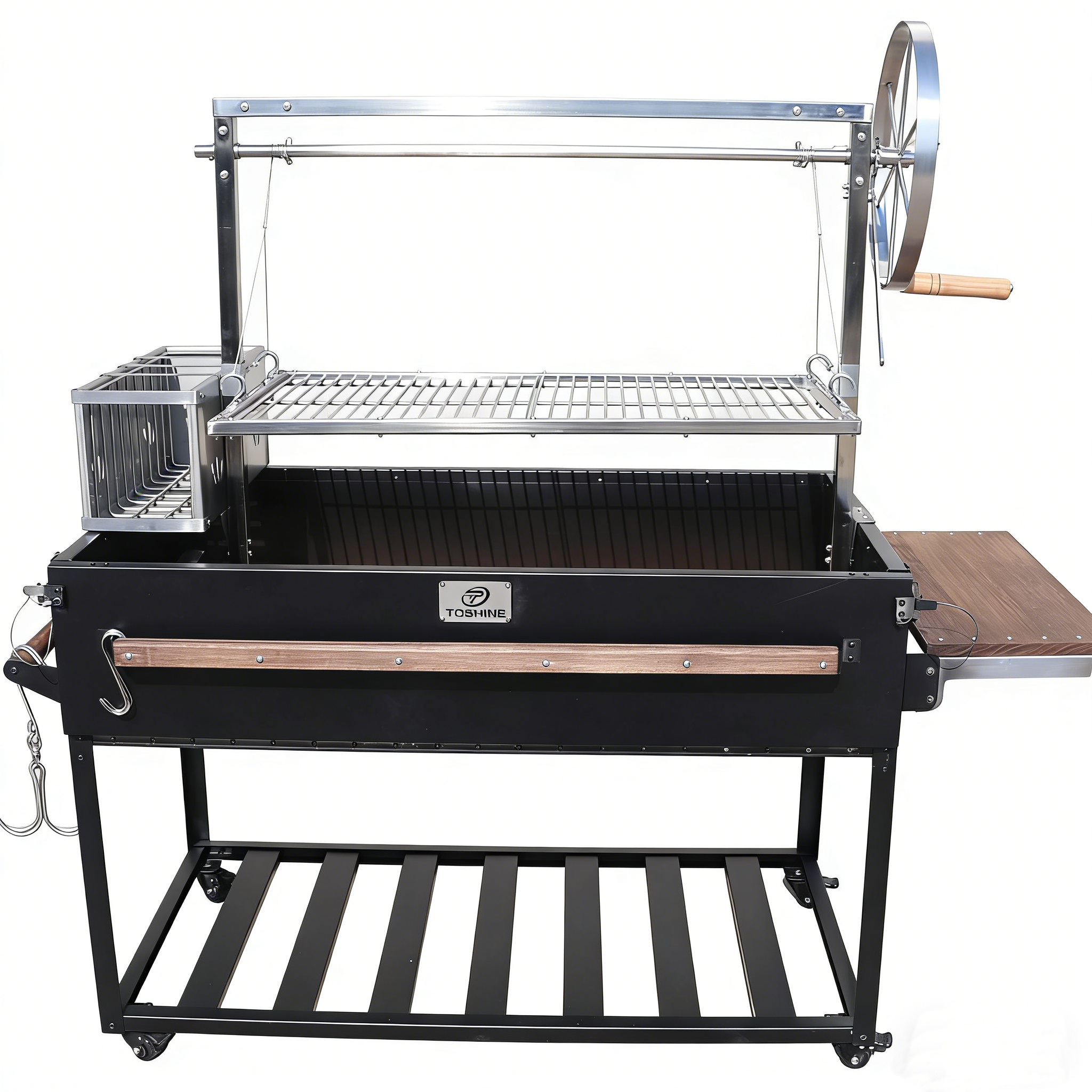
Սանտա Մարիայի գրիլը ընդդեմ պարիլյայի. Ստեյքհաուսների համար հիմնական գործառնական տարբերությունները
Ջերմության վերահսկում, մսի կտրվածքների բազմազանություն և մասշտաբային համատեղելիություն
Սանտա Մարիայի գրիլները օգտագործում են ձեռքով կառավարվող հարմարեցվող ցանցեր՝ ճշգրիտ կարգավորելու դրանց մոտակայքը կենդանի սապուհի փայտի բոցերին. սա հատկապես հարմար է հաստ կտրվածքների (օրինակ՝ տրի-թիփ կամ ռիբայ) վրա կրկնվող սեյրի ստացման համար, ինչպես նաև շատազանգված ժամանակ տարբեր սպիտակուցների մշակման համար: Ի հակադրություն դրան, ավանդական պարիլյաները օգտագործում են ֆիքսված բարձրությամբ V-ձև ցանցեր և ձեռքով կատարվող մոխրի վերաբաշխում, որոնք հատկապես լավ են աշխատում դանդաղ եփվող ճարպոտ կտրվածքների հետ, սակայն չեն ապահովում արագ ջերմաստիճանի փոփոխությունների համար անհրաժեշտ ճկունությունը: Այս տարբերությունը ուղղակիորեն ազդում է արտադրողականության և համատեղելիության վրա. Սանտա Մարիայի գրիլները մեկ ժամում կարող են մշակել 18–22 համատեղելի սեյրավորված ստեյք, իսկ պարիլյայի աշխատանքային գործընթացները մեկ ժամում մշակում են միջինում 12–15 ստեյք («Կulinարային ինժեներագիտության ամսագիր», 2025 թ.):
| Շահագործման գործոն | Սանտա Մարիա Գրիլ | Ավանդական պարիլյա |
|---|---|---|
| Ջերմության կարգավորում | Անմիջապես (ձեռքով կառավարվող մեխանիզմ) | Ձեռքով կատարվող մոխրի վերաբաշխում |
| Գագաթնային կտրվածքների համատեղելիություն | Հաստ ստեյքներ, բանջարեղեն | Ճարպոտ կողեր, ամբողջական կտրվածքներ |
| Ծայրահեղ ծառայության համատեղելիություն | Բարձր (ուղղակի բոցի կառավարում) | Միջին (կախված հմտությունից) |
Կայունություն, արտադրողականություն և աշխատակիցների վերապատրաստման պահանջներ
Երկու գրիլներն էլ նախատեսված են առևտրային օգտագործման համար՝ սովորաբար կառուցված են հաստ ստայնլես պողպատից, սակայն Սանտա Մարիայի պարզեցված մեխանիկական համակարգը երկարաժամկետ սպասարկման ծախսերը 30%-ով նվազեցնում է Պարիլյայի ավելի բարդ V-ձև ցանցի և մոխրի կառավարման բաղադրիչների համեմատ («Սննդի սպասարկման սարքավորումներ» զեկույց, 2024 թ.): Արտադրողականությունը տարբերվում է կտրուկ. Սանտա Մարիայի ուղղակի բոցի մոտեցումը հնարավորություն է տալիս արդյունավետ և բարձր ծավալներով սպասարկում իրականացնել՝ ժամում 50-ից ավելի հյուրեր, մինչդեռ Պարիլյայի ավելի դանդաղ մոխրով խորովելը հարմար է caրգավորված բանկետների կամ համային մենյուների համար: Վերապատրաստման պահանջները այս տարբերությունը արտացոլում են. Պարիլյայի մոխրի դինամիկայի տիրապետումը պահանջում է 40-ից ավելի ժամ նվիրված պրակտիկա, իսկ Սանտա Մարիայի շահագործումը կարող է ստանդարտացվել 10 ժամից պակաս ժամանակում՝ օգտագործելով ինտուիտիվ տեսողական ցուցմունքներ՝ ցանցի բարձրությունը բոցի ինտենսիվության նկատմամբ:
Ստրատեգիական առաջարկություն՝ Երբ ընտրել (կամ հիբրիդային տարբերակ կիրառել) Սանտա Մարիայի գրիլը
Սթեյքհաուսների համար, որոնք առաջնահերթություն են տալիս բարձր ջերմությամբ սառեցման, սննդակարգի ճկունության եւ բարձր ծավալի արտադրանքի համար, Santa Maria Grill- ը առաջարկում է համոզիչ առավելություններ: Դրա կարգավորվող սալիկները ճշգրիտ հրաձգություն են ապահովում, ինչպես նաեւ միաժամանակ միանգամայն հարմար են բիսթեքների, կոկորդների, ծովամթերքների եւ բանջարեղենի համար: Այդ բազմակողմանիությունը այն հատկապես արժեքավոր է դարձնում արագ տեմպերով, բազմաբջջային սպիտակուցների ծառայության մոդելներում:
Այսինքն, ավանդական արգենտինացի ասադոից արմատավորված հաստատությունները կամ այն հաստատությունները, որոնք իրենց ընտրացանկը կառուցում են խորը, դանդաղ պատրաստված ամբողջ հատվածների շուրջ, կարող են գտնել, որ ֆիքսված բարձրության պարրիլլլան ավելի լավ է համապատասխանում իրենց խոհարար
Ներկայումս հիբրիդային լուծումները լրացնում են այս բացը. առաջատար արտադրողները առաջարկում են ինտեգրված համակարգեր, որոնք համատեղում են Santa Maria- ի ուղղահայաց կարգավորումը արգենտինական ոճի V- գծապատկերներով եւ հատուկ braseros (գեղձի մահճակալներ): Այս հարթակները աջակցում են ինչպես ուղիղ կրակ grilling և անուղղակի բաց կրակի վրա թխել մեկ սարքի վրա՝ օպտիմալացնելով խոհանոցի տարածքը, պարզեցնելով աշխատակիցների վերապատրաստումը և ընդարձակելով ճաշացանկը՝ առանց իսկականության զիջելու: Հաշվի առեք հիbridացումը, երբ թարմացնում եք հնացած սարքավորումները, ընդարձակվում եք երկակի համայնքային ճաշացանկերի մեջ կամ մեծացնում եք գործունեությունը՝ գերազանցելով 200 հյուրի ցուցանիշը մեկ գիշերվա ընթացքում:
Բովանդակության ցուցակ
- Ի՞նչ է Սանտա Մարիայի գրիլը. Ծագումը, դիզայնը և հիմնական խոհարարական փիլիսոփայությունը
- Ավանդական արգենտինական պարիլյա. կրակի մնացորդներ, ծեսեր և ֆունկցիոնալ սահմանափակումներ
- Սանտա Մարիայի գրիլը ընդդեմ պարիլյայի. Ստեյքհաուսների համար հիմնական գործառնական տարբերությունները
- Ստրատեգիական առաջարկություն՝ Երբ ընտրել (կամ հիբրիդային տարբերակ կիրառել) Սանտա Մարիայի գրիլը